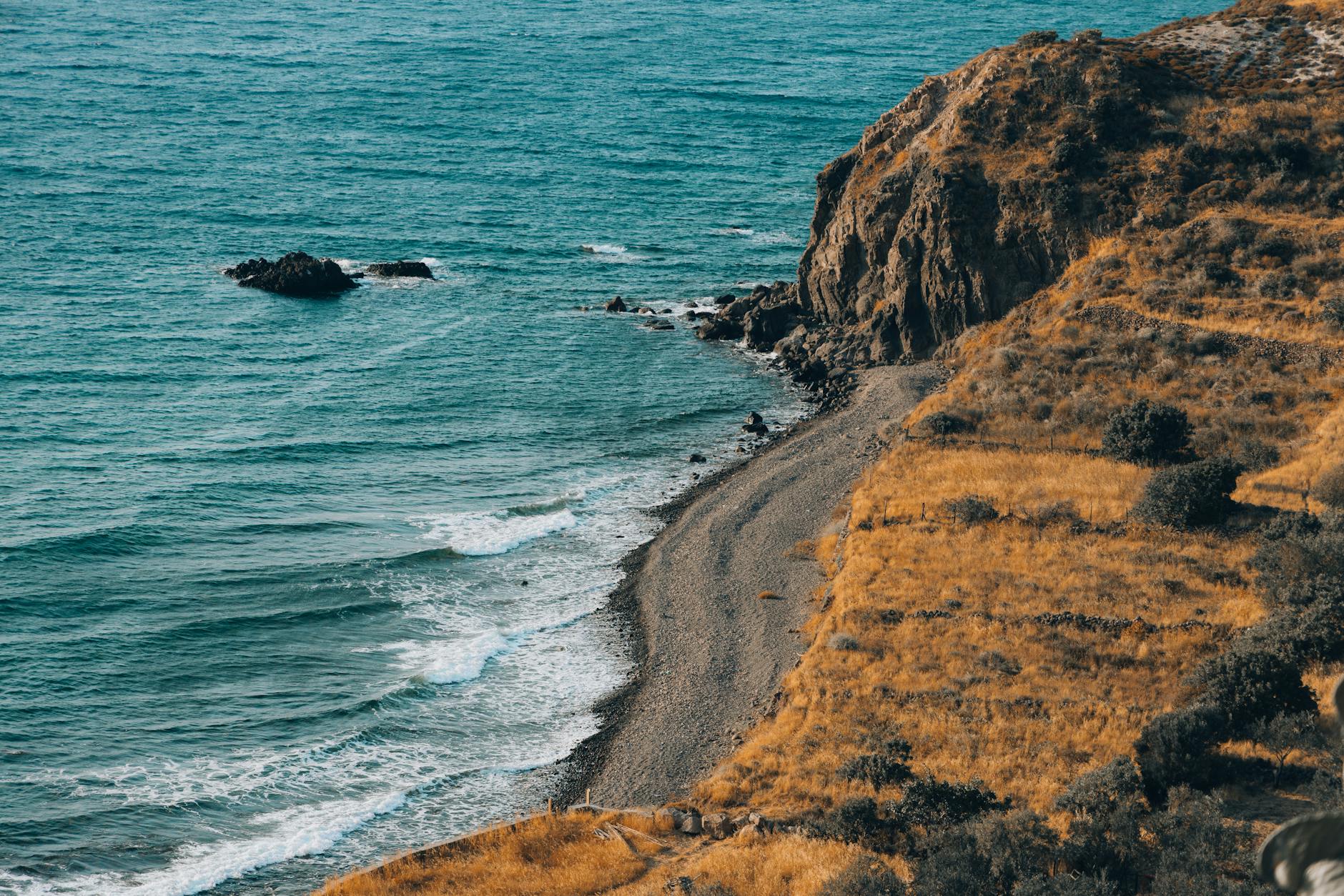
The Mediterranean: Where to Start
Few regions on earth carry the weight of human history quite like the Mediterranean. Stretching across three continents and bordered by more than 20 countries, this inland sea has been a cradle of civilisation, a trade highway, a battlefield, and - for the modern traveller - one of the most rewarding destinations in the world. The challenge isn’t deciding whether to go. It’s deciding where.
Understanding the Region
The Mediterranean basin is vast and surprisingly diverse. A whitewashed Cycladic village in Greece shares the same sea as a Moorish medina in Morocco, a French Riviera promenade, and a Lebanese mountain town perfumed with cedar and thyme. What unites them is more than geography: it’s a shared rhythm of life built around good food, outdoor living, long afternoons, and an instinctive sense of hospitality.
For planning purposes, most travellers think of the Mediterranean in four broad zones:
- Western Mediterranean - Spain, southern France, and the Balearic Islands. Cosmopolitan cities like Barcelona and Marseille, Michelin-starred food scenes, and a nightlife culture that runs deep.
- Central Mediterranean - Italy, Sicily, Sardinia, and Malta. The heaviest concentration of UNESCO World Heritage Sites on the planet, plus the world’s most imitated cuisine.
- Eastern Mediterranean - Greece, Turkey, Croatia, and Cyprus. Ancient ruins, island-hopping, and some of the clearest water you’ll find anywhere.
- Southern Mediterranean - Morocco, Tunisia, and Egypt. Where Europe gives way to North Africa - souks, desert edges, and ancient ports that will recalibrate your sense of time.
Most first-time visitors anchor in one zone and explore outward. Seasoned travellers tend to fixate on a single country - or even a single coastline - and go deep.
Top Areas to Explore
The Amalfi Coast & Sicily, Italy - Italy’s south is a crash course in everything the Mediterranean does best: dramatic scenery, obsessive local food culture, and ruins that rise out of the hillside without ceremony. Sicily, in particular, rewards slow travel - it is an island shaped by Arab, Norman, Greek, and Spanish hands, and you taste every one of them.
The Greek Islands - Whether you’re drawn to the volcanic drama of Santorini, the untouched villages of Naxos, or the nightlife of Mykonos, the Aegean rewards island-hopping at almost any pace. For something quieter, the Ionian Islands - Corfu, Kefalonia, Lefkada - offer lush green landscapes and a gentler crowds curve.
Croatia’s Dalmatian Coast - Dubrovnik is the headline, but the real story is the 1,000-kilometre coastline beyond it: medieval walled towns, national park islands, and a sailing culture that makes this one of Europe’s finest nautical destinations.
Morocco: Tangier to Marrakech - Arrive by ferry from Spain and you cross not just a sea but a sensory threshold. The northern cities of Tangier and Chefchaouen have shed their backpacker-only reputation; Marrakech remains thrillingly chaotic and beautiful. The Mediterranean coast of Morocco - the Rif mountains tumbling toward the sea near Al Hoceima - is still largely undiscovered.
The Turkish Aegean & Turquoise Coast - Ephesus, Bodrum, the Lycian Way, Cappadocia within reach: Turkey offers a density of historical and natural experience that few Mediterranean countries can match, often at a fraction of the price.
Best Time to Visit
The honest answer is that timing depends heavily on where you’re going and what you want from the trip.
May and June are widely considered the Mediterranean’s sweet spot - warm but not scorching, crowds thin before the school-holiday surge, prices reasonable, and the landscape green from spring rains. September and October offer much of the same, with the added bonus of warm sea temperatures well into autumn.
July and August are peak season across the board. Prices spike, popular islands and coastal towns fill to capacity, and temperatures along the southern and eastern coasts regularly exceed 35°C. That said, peak season is peak season for a reason - the energy of a Greek harbour town in August or a Spanish beach festival is its own kind of experience.
Winter is underrated, especially in the western and southern zones. Barcelona, Seville, Marrakech, and Malta all offer mild temperatures and genuine off-season quiet. Many Greek and Croatian islands, however, essentially shut down between November and April.
What Kind of Traveller Is It For?
The Mediterranean suits almost everyone - which is part of what makes it the world’s most-visited region. But different corners of it speak to different travellers:
- History and culture seekers will find their needs met most richly in Italy, Greece, Turkey, and Egypt.
- Food-focused travellers should consider southern Italy, Spain’s Basque Country, or Lebanon, where eating is a full-time civic duty.
- Beach and water lovers are best served by the Greek Islands, Croatia, Sardinia, or the Turkish coast.
- Budget travellers will find the most value in Morocco, Albania, North Macedonia’s Lake Ohrid, and the lesser-known Aegean islands of Greece.
- Luxury seekers have an embarrassment of riches: the French Riviera, Positano, Mykonos, and an expanding portfolio of ultra-luxury hotels across the region.
Where to Go Next on This Site
This hub page is your starting point. From here, explore:
- Best hotels in the Mediterranean - from boutique cliffside retreats to grand city palaces
- Mediterranean by budget - how to do it on €80/day vs. €300/day
- Island-hopping guides - Greece, Croatia, and the Balearics, planned route by route
- Mediterranean food trails - the dishes, the markets, and the restaurants worth travelling for
- When to go: month-by-month breakdown - the full seasonal guide, country by country
The Mediterranean will meet you where you are. The only real mistake is waiting too long to go.