What’s Changing Between the Islands
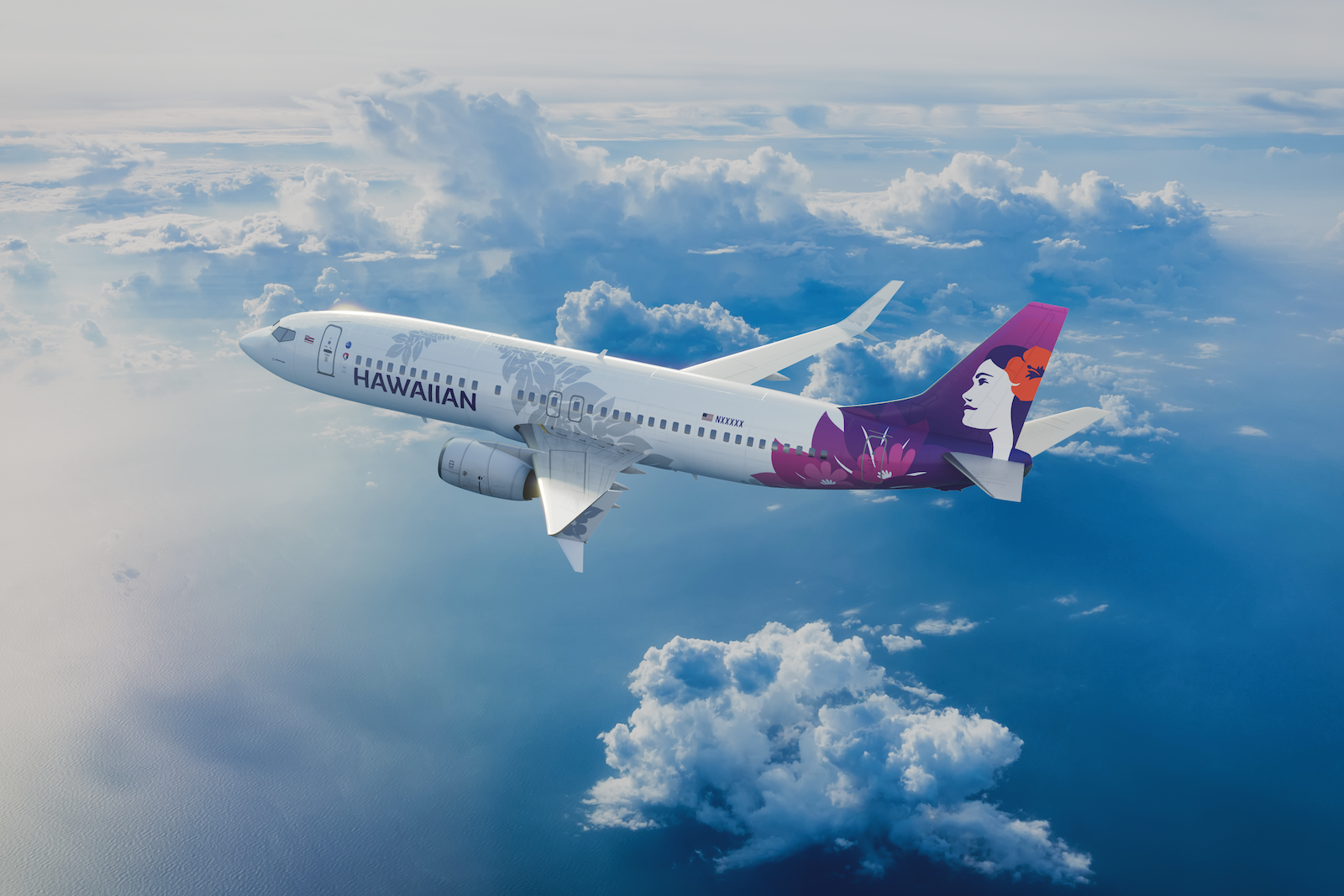
For anyone who’s done the short hop from Honolulu to Maui or caught an early flight into Hilo, the Boeing 717 is probably familiar - a narrow, aging workhorse that has connected Hawaii’s islands for decades. That aircraft is now on its way out. Alaska Air Group has confirmed plans to replace Hawaiian Airlines’ fleet of Boeing 717s with Boeing 737-800s, currently operating under Alaska’s livery, which will be repainted and reconfigured before taking over inter-island duties starting in 2028.
The switch matters to travelers because these aren’t minor tweaks to an existing product. The 737-800 carries 161 seats compared to the 717’s 123–128, and the premium cabin gains are even more pronounced. First-class seats jump from 8 to 16. Extra-legroom seating goes from 17 seats to 36. On a 20-minute flight between Maui and Honolulu, the upgrade might feel academic - but for the growing number of visitors and residents doing multi-island itineraries over a week or two, the cumulative difference in comfort is real.
Five Airports, Up to 160 Daily Flights
Hawaiian currently operates the 717 on up to 160 daily flights connecting five airports: Honolulu (Daniel K. Inouye International), Maui’s Kahului, Lihue on Kauai, Kona on the Big Island, and Hilo, also on the Big Island. These routes form the backbone of how people move through the state - not just tourists piecing together a multi-island vacation, but residents commuting for work, medical appointments, and family visits.
The 717s averaging around 25 years old isn’t just an aesthetic problem. Older aircraft carry higher maintenance costs and greater operational uncertainty, both of which eventually affect schedule reliability. The shift to the younger 737-800 fleet should provide some stability on a route network where delays on one leg tend to cascade quickly through a compact archipelago.
The inter-island flying market is unlike almost any other domestic air market in the world. There’s no driving alternative, no train option, and ferry service is extremely limited. If you’re going from Kauai to the Big Island, you’re flying. That geographic reality gives these route decisions an outsized importance for anyone planning a Hawaii trip.
Cargo space is also expanding. Alaska specifically noted that the 737s will include more room for surfboards - a detail that sounds like marketing but is genuinely relevant on routes connecting surf-heavy destinations like the North Shore and Hilo. Each aircraft will also carry Starlink Wi-Fi, which on a 20-to-40-minute flight is more useful for the frequent flyer than the casual visitor but worth noting.
Earlier Than 2028: A Preview in Honolulu
The full fleet transition doesn’t begin until 2028, but travelers passing through Honolulu will get an earlier look at the incoming era. Alaska plans to base a 737-800 at Daniel K. Inouye International Airport (HNL) starting in October, operating three daily round-trips between Honolulu and Kahului Airport (OGG) in Maui. These flights will run under Hawaiian’s operation but in a transitional period before the full livery switchover.
That Honolulu–Maui corridor is one of the busiest air routes in the United States by frequency, and adding a larger aircraft on three daily rounds adds meaningful seat capacity before the broader rollout. For travelers booking inter-island legs as part of a longer itinerary, it’s worth checking whether your specific flight is on one of these earlier 737 deployments.
How the Merger Is Reshaping the Hawaiian Experience
Alaska’s acquisition of Hawaiian closed in 2024, and the fleet decisions flowing from that deal are now becoming concrete. The 737 transition is the most traveler-facing change yet, but it’s not the only one reshaping what flying Hawaiian actually means.
The Boeing 787-9 Dreamliners that Hawaiian had ordered before the acquisition were redirected after the merger - Alaska has deployed them on routes from Seattle to Europe and Asia rather than Hawaii-focused long-haul flying. Hawaiian’s twin-aisle Airbus A330s, which remain the most likely aircraft for anyone flying to Hawaii from the U.S. mainland on a Hawaiian-branded ticket, are scheduled to receive cabin upgrades, though specific details on timing and scope haven’t been announced.
Alaska has also signaled broader brand alignment across its Hawaii flying: the plan is to eventually repaint all of the 737s it operates between the U.S. mainland and Hawaii in Hawaiian livery. The logic is straightforward - whether you’re flying to Hawaii, within Hawaii, or departing Hawaii, you’ll be on a plane carrying the Hawaiian brand. For the traveler this changes relatively little in practical terms, but it does suggest the two brands are moving toward a more unified identity over time, with Hawaiian carrying the Hawaii-focused experience.
CEO Diana Birkett Rakao framed the 737 transition as a long-term investment: “This decision reflects our commitment to invest in Hawai’i for the long term, to strengthen Hawaiian Airlines and to honor the local expertise, culture and care that have made Hawaiian the airline of Hawaii for nearly a century.”
Planning an Inter-Island Trip Around the Changes
If you’re planning a Hawaii trip in the next year or two, none of this requires immediate action - the 717 stays in service until 2028, and it’s still perfectly capable of getting you from Honolulu to Kona. But a few things are worth keeping in mind as you book.
The Honolulu–Maui route is first in line for the 737, starting this October. If that specific segment is part of your itinerary, you may find the newer aircraft and its expanded premium cabin available earlier than expected. The extra-legroom seats jump from 17 to 36 on the 737, so there’s more inventory to work with if you’re booking a premium economy-style experience without paying first-class prices.
For travelers planning trips in 2028 and beyond, the calculus shifts. More first-class seats on inter-island routes means more award availability and potentially more competitive upgrade pricing - a detail worth tracking if you’re accumulating HawaiianMiles or Alaska miles in anticipation of a future trip. The Honolulu–Lihue flight runs about 20 minutes in the air; the Big Island routes from Honolulu clock in closer to 40 minutes. Whether that’s long enough to care about first class is a personal call, but at 16 seats versus 8, the option becomes far more accessible.
The five-airport inter-island network - Honolulu, Maui, Lihue, Kona, Hilo - isn’t changing. The planes are.