A New Front Cabin Changes the Calculus for Domestic Travel
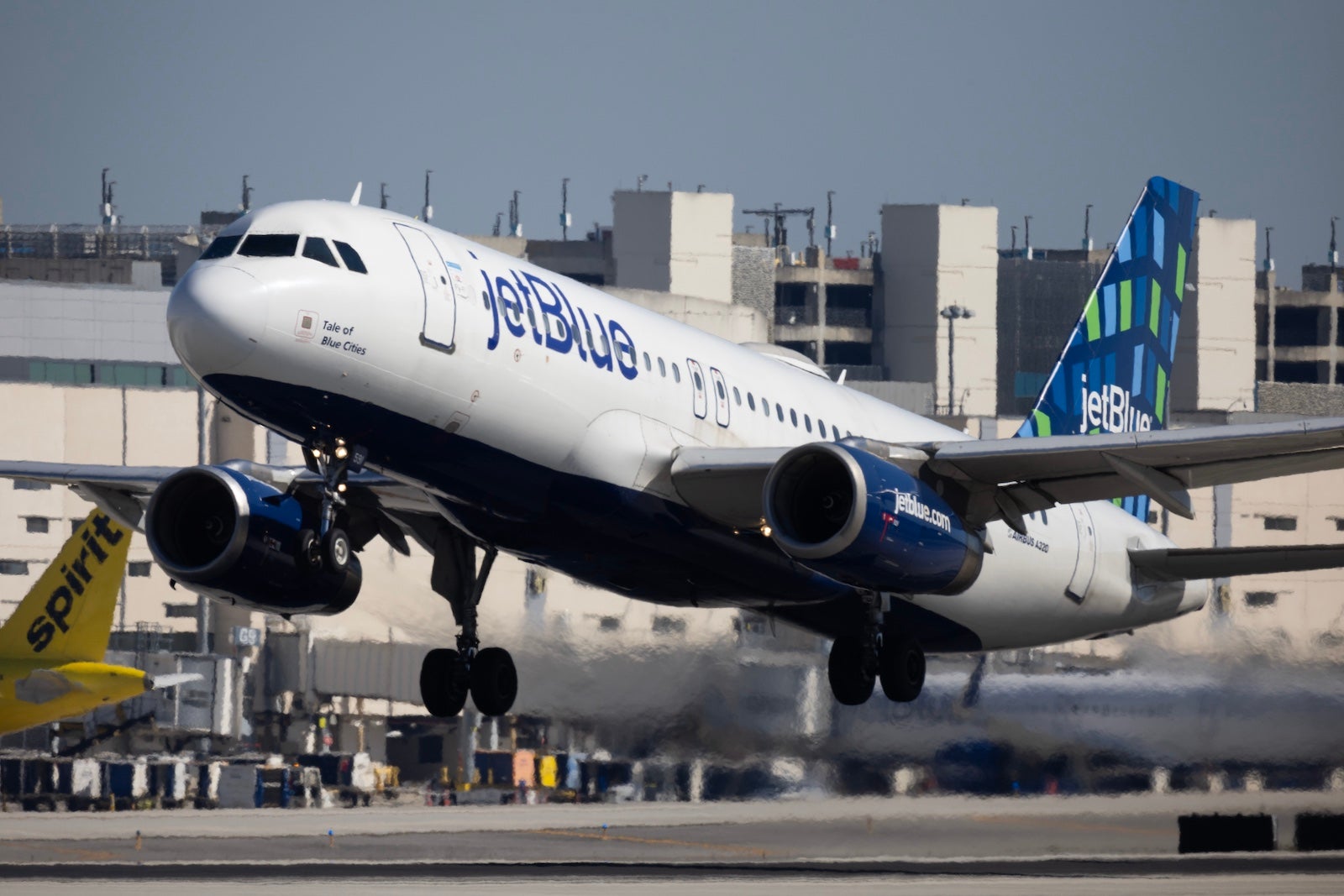
For anyone who has watched JetBlue operate as a premium-economy-only carrier on domestic routes, the arrival of BlueFirst marks a genuine departure. The airline is weeks away from seating its first passengers in a dedicated domestic first-class cabin, and with those seats now on sale, it has finally laid out the mechanics of how loyal flyers will move into them without paying full fare.
The timing matters for trip planning. BlueFirst seats begin appearing on planes in December, and the full upgrade structure for TrueBlue Mosaic elite members takes effect February 1, 2027. If you are mapping out domestic travel for next year - whether that means a long weekend in New York, a direct shot to the West Coast, or a connection to somewhere further - the airline you fly and the card in your wallet may now carry more practical weight than before.
What BlueFirst Actually Means for the Traveler
The Cabin and the Fleet
JetBlue will install the BlueFirst cabin on all aircraft that do not already carry Mint, its lie-flat business-class product designed for longer routes. That distinction matters: complimentary upgrades into Mint are not part of this program. Mint remains a separate, premium tier. BlueFirst is the domestic front cabin - reclining seats, seatback screens - and it is where the new upgrade policy applies.
Which routes get BlueFirst depends on which planes get the retrofit, but the airline’s stated plan covers the full non-Mint fleet.
The Upgrade Queue
All four tiers of TrueBlue Mosaic status qualify for complimentary, space-available upgrades into BlueFirst. The priority order at the gate runs from Mosaic 4 down through Mosaic 3, Mosaic 2, and Mosaic 1. Below status holders, passengers who carry the JetBlue Premier Card - but hold no elite status - also become eligible, provided they paid for the trip with that card. The upgrade window opens up to one hour before departure.
Two conditions disqualify an otherwise eligible traveler: booking a base main cabin fare (what JetBlue categorizes as a basic economy equivalent) or an EvenMore fare. Travelers on those ticket types cannot clear into BlueFirst regardless of status. And one benefit worth noting - Mosaic members may bring a single companion along into the upgrade, so a travel partner on the same booking is not automatically left behind.
Earning the Status That Gets You There
Tiles, Tiers, and the Path Up
JetBlue’s status currency is tiles, not points or segments. The thresholds for each Mosaic tier remain unchanged going into 2027: 50 tiles for Mosaic 1, 100 for Mosaic 2, 150 for Mosaic 3, and 250 for Mosaic 4. Tiles accumulate through flying and through spending on eligible co-branded credit cards, which means the path to status is not purely about how many times you board a plane.
For a traveler who concentrates domestic flights on JetBlue - say, a regular between Boston and Fort Lauderdale, or Los Angeles and New York - reaching Mosaic 1 or 2 within a year is within range. Mosaic 4 at 250 tiles is a heavier lift, designed for the most frequent travelers.
Why the Destination Side of This Matters
The practical geography of BlueFirst is still taking shape. Because the cabin goes onto non-Mint aircraft, it will show up on shorter and mid-range domestic routes - not on the transatlantic or transcontinental routes where Mint already flies. That concentrates the upgrade opportunity on everyday domestic itineraries: the kind of trip where two or three hours in a proper reclined seat, with a screen in front of you, changes the experience without requiring a lie-flat ticket price.
For travelers who move frequently between JetBlue’s core markets - New York, Boston, Fort Lauderdale, Los Angeles, San Juan - the cabin will appear often enough to make status meaningful in a way it wasn’t when JetBlue offered no first-class domestic product at all.
Confirmable Upgrades and the Certificate System
Beyond space-available upgrades at the gate, higher-tier Mosaic members gain access to something more reliable: the ability to confirm an upgrade before the travel day.
JetBlue is rebranding what were called “Move to Mint” certificates as Premium Upgrade Certificates. The old certificates were specific to the Mint cabin. The new version works in either Mint or BlueFirst, giving members flexibility depending on which route they’re flying. Mosaic 3 members - those who have reached 150 tiles - automatically receive four Premium Upgrade Certificates. Mosaic 4 members receive four additional certificates upon hitting 250 tiles. Members at eligible tiers can also select additional Premium Upgrade Certificates from JetBlue’s “Perks You Pick” menu, the airline’s customizable benefit selection system.
A confirmable upgrade changes trip planning in a concrete way. Rather than arriving at the airport and hoping seats remain, a traveler can book and confirm the front cabin in advance - relevant when flying to a wedding, a work meeting, or anywhere the day’s schedule leaves no room for uncertainty.
The certificate currency also reflects how JetBlue is now managing two distinct premium products under one loyalty umbrella. Mint and BlueFirst serve different routes and different distances, but a single certificate pool covers both. A Mosaic 3 member heading to London on a Mint-equipped A321LR uses the same certificate type as one flying Boston to Tampa on a BlueFirst-equipped domestic jet.
The Card Angle
The JetBlue Premier Card’s inclusion in the upgrade queue is worth examining on its own terms. A cardholder without any Mosaic status sits below all four elite tiers in upgrade priority - but they are in the queue at all, which was not previously the case on JetBlue domestic flights simply because there was no domestic first-class cabin to upgrade into.
The condition attached - paying for the flight with the Premier Card to qualify - is standard practice across airline co-branded card programs. It is not unusual, but it is a detail worth knowing before you book.
For occasional JetBlue flyers who do not accumulate enough tiles to reach Mosaic 1, the Premier Card now provides a route into BlueFirst that did not exist before December 2024. Whether that makes the card worth carrying depends on individual travel patterns, but the upgrade access is now a real and documented benefit rather than a theoretical one.
The base fare of a BlueFirst seat purchased outright has not been published as part of this announcement. What is clear is that the upgrade mechanism - both space-available and certificate-based - gives Mosaic members and Premier cardholders a path to the front cabin without buying into it directly.