Exploring East Africa: The Ultimate Safari Destination Guide
Few places on earth stop you in your tracks the way East Africa does. A lion padding across a dust-red plain at dusk. A million wildebeest churning through a crocodile-filled river. Mountain gorillas watching you from beneath a canopy of mist-draped jungle. This is a region where nature still operates on its own ancient terms - and where travellers arrive as strangers and leave forever changed.
Spanning Kenya, Tanzania, Uganda, Rwanda, Ethiopia, and Mozambique, East Africa is not one destination but many layered worlds: open savanna, volcanic highlands, Swahili coastline, and cloud forest. What unites them is an unmatched concentration of wildlife, a depth of culture, and a sense that you are somewhere genuinely wild.
The Character of East Africa
East Africa rewards the curious. Yes, the game drives are extraordinary - but the region also offers ancient trade-route cities like Zanzibar’s Stone Town, highland coffee farms in Ethiopia’s Sidama region, and the lantern-lit dhow harbours of Lamu. Safari here is rarely just about animals; it is about landscapes that feel prehistoric, communities whose traditions predate the written word, and skies so full of stars they seem implausible.
The infrastructure ranges from barefoot-luxury tented camps in remote conservancies to budget-friendly guesthouses and overland truck routes popular with backpackers. Whatever your style or budget, East Africa has a version of itself ready for you.
Top Areas to Explore
Kenya
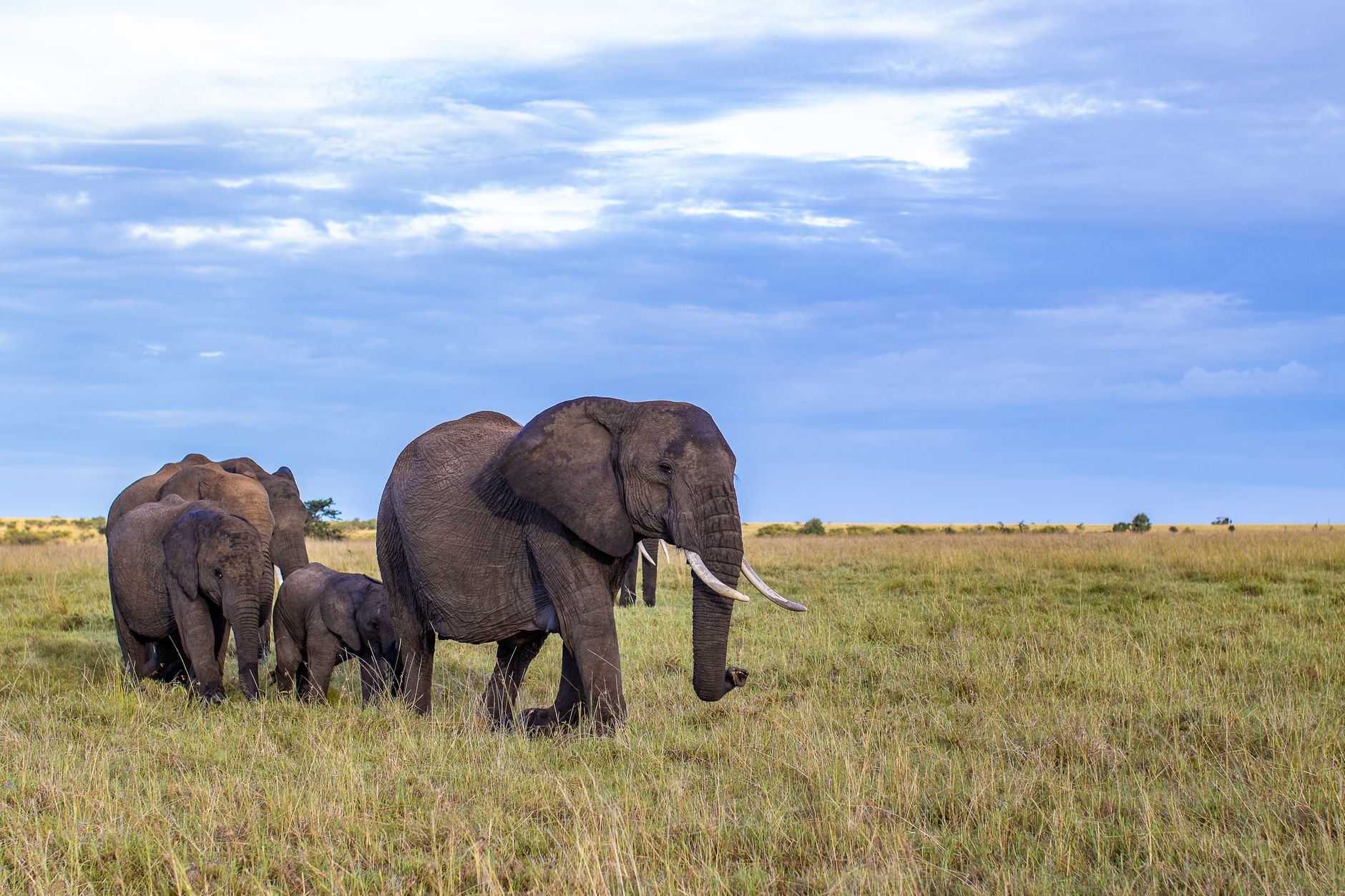
Kenya is the archetype of the African safari. The Masai Mara National Reserve is the headline act - home to the Great Migration’s dramatic river crossings between July and October - but the country offers far more. Amboseli National Park delivers that classic postcard image: elephant herds moving beneath the snow-capped peak of Kilimanjaro. Laikipia Plateau is Kenya’s under-the-radar gem, where private conservancies offer walking safaris and rhino tracking away from the crowds. For beach time, the Kenyan Coast - particularly Diani Beach and the UNESCO-listed Lamu Archipelago - provides a natural end-of-safari wind-down.
Tanzania
Tanzania holds two of Africa’s most celebrated wild places. The Serengeti National Park is vast, dramatic, and the year-round home of the Great Migration loop. Pair it with the Ngorongoro Crater, a collapsed volcanic caldera that functions as a natural enclosure for one of the densest concentrations of wildlife on the planet. For something more remote, Ruaha National Park and Selous Game Reserve (Nyerere National Park) in the south offer genuine wilderness with far fewer vehicles. Off the mainland, Zanzibar offers spice tours, coral reefs, and historic Arab-Swahili architecture - a logical extension of any Tanzania itinerary.
Uganda & Rwanda
These two landlocked neighbours are the undisputed home of mountain gorilla trekking, one of the most profound wildlife encounters available anywhere. Bwindi Impenetrable Forest in Uganda and Volcanoes National Park in Rwanda each host habituated gorilla families. Uganda’s Queen Elizabeth National Park adds tree-climbing lions and boat safaris on the Kazinga Channel, while Rwanda’s compact size and excellent roads make it one of East Africa’s most logistically straightforward destinations.
Ethiopia
Ethiopia sits apart from the classic safari circuit but rewards the adventurous. The Omo Valley is one of the world’s great cultural destinations, home to tribes whose ways of life have changed little for centuries. The Simien Mountains offer dramatic trekking and encounters with endemic gelada baboons and Ethiopian wolves. Addis Ababa, one of Africa’s most dynamic capitals, is increasingly worth a stop in its own right.
Best Times to Visit
East Africa’s climate is largely dictated by two rainy seasons: the long rains (March–May) and the short rains (November). The dry seasons - June to October and December to February - are generally considered prime safari time, with sparse vegetation making wildlife easier to spot and roads more passable.
That said, timing depends on what you’re chasing. The Great Migration river crossings peak between July and September in the Masai Mara. Gorilla trekking is possible year-round but most comfortable during the drier months. The green season (November–April) brings lush landscapes, lower prices, and excellent birding - and is increasingly popular with photographers.
What Kind of Traveller Does East Africa Suit?
Honestly? Almost every kind. Families find it transformative; children who have grown up watching wildlife documentaries suddenly see those animals in the flesh. Honeymooners are spoiled for choice among the continent’s most romantic luxury camps. Solo travellers and backpackers can join group safaris or overland tours that keep costs manageable. For the adventure-oriented, multi-day hiking on Kilimanjaro or trekking through the Rwenzori Mountains provides a genuine physical challenge alongside the wildlife viewing.
Planning Your Trip: Key Subtopics
Once you have a feel for the region, dive deeper into the specifics:
- Where to Stay: From ultra-luxury tented camps and boutique lodges to budget campsites and mid-range guesthouses - explore accommodation options by country and price point.
- Safari Activities: Game drives, walking safaris, gorilla and chimpanzee trekking, hot-air ballooning over the Serengeti, boat safaris, and night drives.
- Budget Planning: East Africa spans a wide cost spectrum. Understand what drives pricing - park fees, seasonality, camp remoteness - and how to plan for your budget level.
- Getting Around: Domestic flights, charter planes, self-drive options, and overland routes. Logistics vary enormously by country.
- Conservation & Community: Many camps and operators support anti-poaching initiatives and community development. Understand how to travel responsibly and where your money goes.
- Health & Visa Requirements: Yellow fever certificates, malaria prophylaxis, and visa-on-arrival policies differ by nationality and destination country.
East Africa is not a destination you visit once and consider complete. It pulls you back - and most travellers who come once are already planning their return before the plane has left the tarmac.