A Bucket-List Destination Finds a New Entry Point
Tanzania has long occupied a particular place in the traveler’s imagination - a country where the landscape shifts from volcanic highlands to acacia-dotted plains to the Indian Ocean coast, and where wildlife moves in patterns ancient enough to feel almost geological. What has changed recently is the infrastructure around how you pay for it. The country’s selection of safari lodges bookable with hotel points has grown fast enough that Tanzania made the Where to Go 2026 list partly on that basis, not just the wildlife calendar.
The most concrete example of that shift is Mapito Safari Camp, Serengeti, Autograph Collection, which opened last year as the first Autograph Collection safari camp in existence. It sits on the outskirts of Serengeti National Park, behind the small village of Robanda, and it operates as a fully all-inclusive property within the Marriott Bonvoy program. For anyone who has been mentally filing Tanzania under “someday,” this is the kind of opening that moves the date closer.
Arriving After Five Hours on the Road
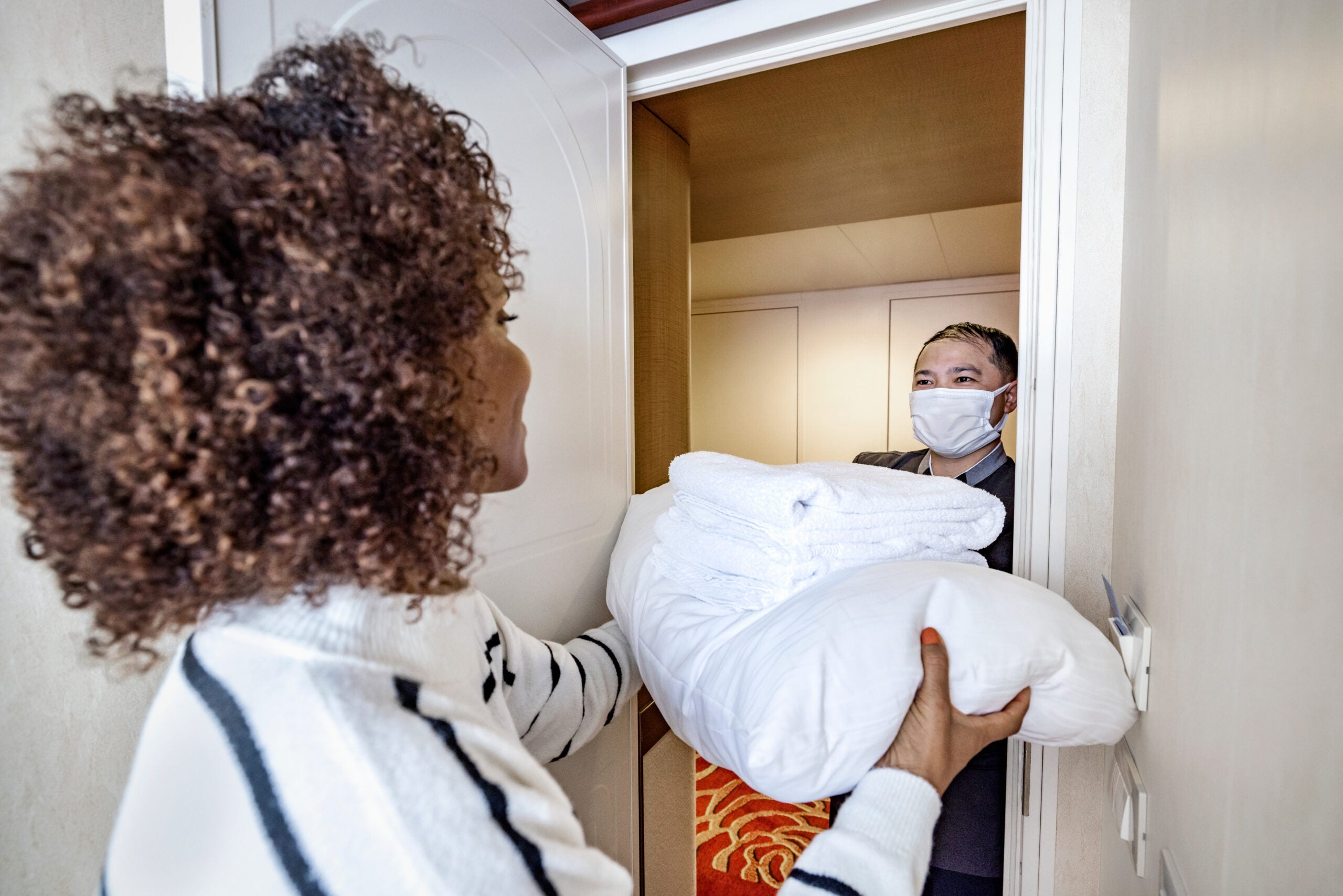
The drive from the nearest hub takes five hours - a fact worth absorbing before booking, since the route is not particularly forgiving on luggage or lower backs. Arriving sweaty and road-worn at Mapito, the welcome is deliberately calibrated to that condition: staff meet guests with damp towels, welcome drinks, and handmade bracelets before taking the bags entirely. Gravel paths wind through the property between tents that look, from the outside, like a considered response to the surrounding landscape rather than an imposition on it.
Scrubby plants press up to the edges of the pathways. Snakes move through the grounds. The property makes no attempt to sanitize that reality, which is, depending on your threshold for wildlife proximity, either the whole point or a detail to factor into your decision.
What “Tent” Actually Means Here
The accommodation breakdown at Mapito: three deluxe tents, six one-bedroom tented suites, six two-bedroom tented suites, and one tented villa with two bedrooms, a full kitchen, a game room, and a private pool. The word “tent” is doing significant work in those descriptions.
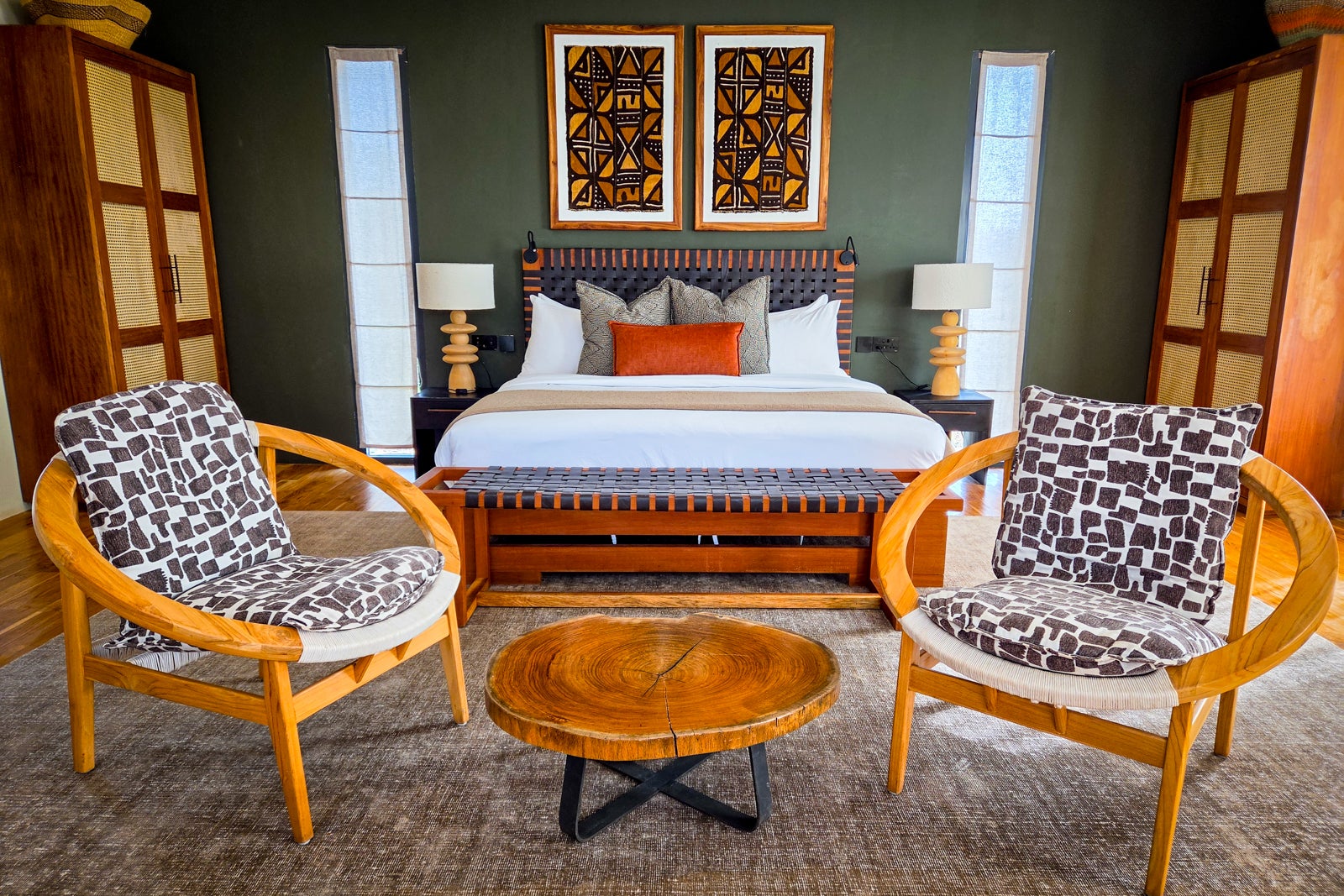
From inside a one-bedroom suite, the structure feels nothing like camping. The tent contains a deck, two bathrooms, and a dual indoor-outdoor shower. Interiors use natural materials - stone, wicker - layered with bold-print textiles and animal sculptures, a design language that gestures toward the surrounding landscape without replicating it clumsily. The welcome sweets are a traditional Swahili preparation made from peanuts and wild honey. The “do not disturb” signal is a gourd historically used by local communities to indicate that elders were in closed discussion.
The retractable roof on each tent is the feature that cuts through the interior’s luxury register most sharply. Open it and the savannah sounds come in - and with them, an unfiltered view of whatever the sky is doing. A screen keeps insects out. The design is meticulous enough that even this opening feels intentional, though that same attention to detail occasionally tips into aesthetics-over-function territory: the polished stick serving as a bathroom door handle fell off every time it was touched.
That detail is minor. It is also the kind of minor detail that sticks.
Dining Without the Buffet
Mapito’s approach to the all-inclusive format is worth understanding before arrival, because it differs from the category’s standard mechanics. There is no buffet. Meals happen at Njia Restaurant on a made-to-order basis, with guests choosing from the day’s menu whenever they’re ready rather than at fixed sittings. The kitchen accommodates dietary restrictions, and for early-morning game drives, the kitchen packs boxed meals substantial enough to cover hours in the field.
Beyond Njia, the property has the Mapito Bar and the Njia Lounge, the latter equipped with board games and a concealed speakeasy. Dining and drinks are included in the all-inclusive rate, with the exception of premium liquors. The premium liquor carve-out is standard practice at this tier of all-inclusive, and it is worth knowing in advance if your preferred drink falls into that category.
The quality-over-quantity framing is not just marketing language here. The kitchen operates with obvious seriousness, and the restaurant’s design - like everything else on the property - is carefully considered rather than incidentally pleasant.
Tanzania in 2025: Why the Destination Is Accelerating
The Great Migration is the central calendar event that organizes the Tanzania safari industry, and the Serengeti is where the bulk of it plays out. Millions of wildebeest and zebra move in a rough annual circuit across the Serengeti-Mara ecosystem, with the timing varying by year and location. The crossing of the Mara River - the sequence that produces the most dramatic imagery - generally occurs between July and October in the northern Serengeti, though animal movement does not run on a fixed schedule.
What Mapito’s opening adds to this picture is a points-redeemable option at the luxury tier, inside the Marriott Bonvoy system, in a destination that previously had fewer of them. A new JW Marriott also recently opened in Kenya on a 45,000-acre private conservancy, suggesting that the larger East African safari corridor is attracting serious investment from major hotel groups. For Bonvoy members with accumulated points and Tanzania on their list, the timing is functional rather than merely interesting.
Mapito is all-inclusive, which changes the cost math. Game drives, meals, and non-premium drinks are covered within the rate structure. The main variable outside of flights and transfers is how you’re redeeming - cash rates versus points - and that calculation depends on your Bonvoy balance and what the property is pricing in cash at the time of booking.
What the Property Is and Isn’t
Mapito Safari Camp is not a remote wilderness outpost. It is adjacent to a village, and it carries the full physical infrastructure of a luxury hotel: structured staffing, designed interiors, a restaurant with serious culinary ambitions. For travelers who want isolation as a primary experience, this positioning may feel more managed than desired.
For travelers who want the Serengeti - the wildlife, the landscape, the migration - with the reliability of a points-bookable, all-inclusive property operating at Autograph Collection standards, the camp fills a gap that did not previously exist in the Bonvoy portfolio. The retractable tent roof, the Swahili welcome sweets, the boxed breakfast packed before dawn for a game drive: these are the details that distinguish the property from a generic luxury hotel that happens to be near wildlife.
The door handle falls off every time. The rest holds.