Why Lisbon Keeps Drawing People Back
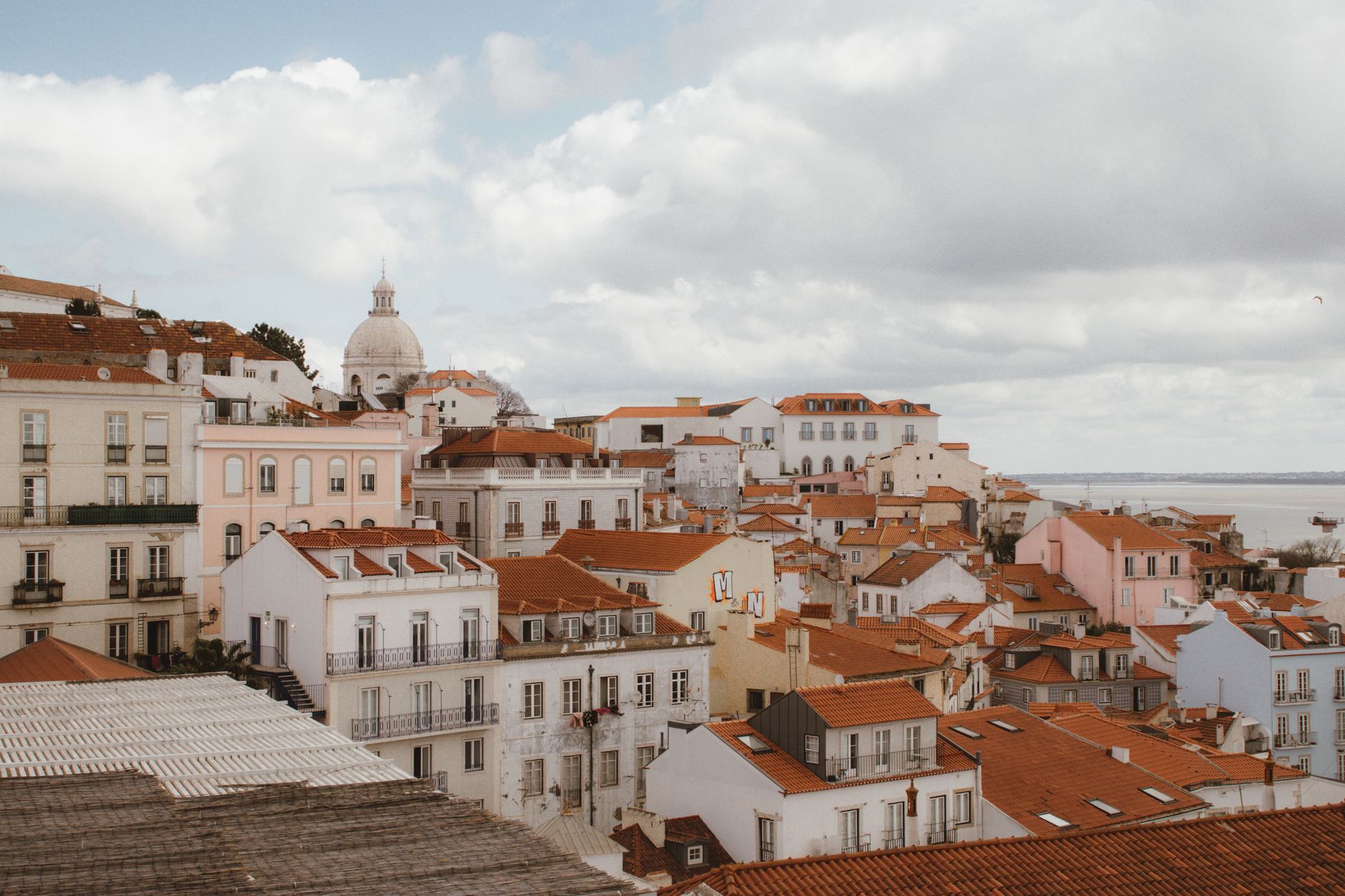
Lisbon is one of those cities that gets under your skin in ways you don’t fully appreciate until you’re home, flipping through photos of terracotta rooftops and wishing you’d ordered a second glass of Vinho Verde. It’s a capital city that somehow still feels like it belongs to its residents - loud on weekend nights in Bairro Alto, sleepy on Tuesday mornings in Mouraria, always slightly tilted because of the hills.
Three days is a genuinely workable amount of time here, provided you resist the urge to sprint between attractions. Lisbon rewards the slow walker. The person who sits at a miradouro (viewpoint) for forty minutes watching the Tagus change colour is having a better Lisbon experience than the one ticking off museums at a clip.
This itinerary assumes you want to actually feel the city, eat well, spend sensibly, and leave knowing you’ve seen the real shape of it - not just the highlights reel.
When to Go
The honest answer is: almost any time except August. In August, Lisbon is hot (regularly above 35°C/95°F), packed, and slightly exhausted-looking. Many locals leave the city entirely.
Spring (March–May) is arguably the sweet spot. Temperatures sit comfortably between 18–24°C, the jacaranda trees along Avenida da Liberdade are in bloom, and the tourist crowds haven’t yet peaked. September and October offer similar conditions with the added bonus of warm evenings and a city that’s just exhaled after summer.
Winter is underrated. December through February you’ll find room to breathe, cheaper accommodation, and a city that’s genuinely lived-in. It rains, occasionally persistently, so pack layers and a compact umbrella.
Getting There and Getting Around
Getting There
Humberto Delgado Airport sits about 7km from the city centre. The Metro’s Vermelha (Red) Line runs directly from the airport to Alameda, where you can connect to the rest of the network - total journey to most central neighbourhoods is 25–35 minutes and costs roughly $2. Don’t bother with airport taxis unless you’re travelling with a lot of luggage; the Metro is faster during peak hours and the price difference is significant (taxis run roughly $12–18 to the centre, more with evening surcharges).
Getting Around
The Metro is clean and reliable for longer cross-city journeys, but Lisbon’s hills mean that the most interesting parts of the city - Alfama, Mouraria, Bairro Alto, Príncipe Real - are best explored on foot or by tram.
Tram 28E is the famous one, winding through Alfama and Graça, and yes, it’s genuinely useful and not just a tourist gimmick. Take it early (before 9am) or later in the evening to avoid the worst of the crowds. A single ticket costs roughly $3.50 bought on board; the 24-hour transport pass (roughly $7) covers Metro, trams, buses, and elevadores and makes sense if you’re moving around a lot.
For getting between Belém and the city centre, the 15E tram runs along the riverside and is the simplest option. Ride-hailing apps (Uber and Bolt both work well here) are cheap by Western European standards - expect to pay roughly $5–8 for most central journeys.
Day 1: Alfama, Graça, and Learning to Walk Uphill
Morning: The Oldest Neighbourhood in the City
Start in Alfama, Lisbon’s oldest district and the one that survived the 1755 earthquake largely intact, mostly because it was built on rock rather than the reclaimed marshland that brought down much of the Pombaline city. It’s a neighbourhood of steep lanes, laundry-strung between buildings, and elderly residents who’ve watched it slowly become fashionable with a mixture of amusement and mild exasperation.
Climb to Castelo de São Jorge when it opens at 9am, before the tour groups arrive. The castle itself is partially reconstructed and not the point - the point is the view across the city and river from the ramparts. Entry costs roughly $16. Spend an hour here, then work your way down through the cobbled lanes of Mouraria, the historic Moorish quarter, for coffee and a pastel de nata at any of the small cafés on Rua do Capelão.
Afternoon: Miradouros and Fado
Walk up to Miradouro da Graça - less crowded than Portas do Sol and with arguably the better view - and then down through Mouraria to the Intendente neighbourhood, which has shed its rough reputation and become one of the more interesting spots in the city for lunch. Taberna da Rua das Flores in the Chiado area is worth a detour for traditional petiscos (Portuguese small plates), where you’ll spend roughly $20–30 per person with wine.
In the evening, find a proper fado house. Avoid anything with a laminated menu and a man in traditional costume standing outside. Mesa de Frades in Alfama (book ahead - it’s small and fills up) hosts performances in a converted chapel; dinner runs roughly $40–60 per person but the experience is legitimately moving. If budget is a concern, the Casa de Linhares offers a similar quality at a slightly lower price point.
Day 2: Chiado, Bairro Alto, and Príncipe Real
Morning: Coffee and Bookshops
The Chiado neighbourhood is where Lisbon’s literary and artistic life has traditionally concentrated. Stop at A Brasileira, the famous 1905 café on Rua Garrett - it’s touristy, yes, but the coffee is good and the interior is genuinely beautiful. Then walk to Livraria Bertrand, the world’s oldest operating bookshop according to the Guinness World Records, open since 1732. Buy something; it’s earned it.
The Museu Nacional de Arte Antiga (National Museum of Ancient Art) in nearby Santos is excellent and consistently undervisited. The collection spans Portuguese paintings, decorative arts, and a remarkable collection of Asian objects brought back during the Age of Exploration. Entry is roughly $10.
Afternoon: Príncipe Real
Walk or take a short Uber north to Príncipe Real, a neighbourhood that manages to be upscale without being sterile. The weekend market in the jardim (garden) is good for local produce and crafts. The streets around here - particularly Rua da Escola Politécnica and Rua Dom Pedro V - have excellent independent shops, wine bars, and antique dealers.
For afternoon wine, By the Wine near Praça Luís de Camões has an extensive selection of Portuguese wines by the glass, with knowledgeable staff who won’t make you feel foolish for not knowing the difference between a Dão and an Alentejo red.
Evening: Bairro Alto
Bairro Alto is where Lisbon comes to drink, specifically in the cluster of small bars that open their doors around 9pm and spill their clientele onto the narrow streets by 11pm. It’s chaotic, cheerful, and cheap - you’ll pay roughly $3–5 for a beer or glass of wine. Dinner beforehand at Taberna da Rua das Flores or any of the small restaurants on Rua do Norte.
Day 3: Belém and the Waterfront
Morning: History at the River’s Edge
Belém is a separate neighbourhood about 6km west of the city centre, and it’s where the Age of Discoveries left its most visible mark. Take the 15E tram from Praça do Comércio (the journey itself, running along the riverfront, is worth doing).
The Mosteiro dos Jerónimos is a genuine marvel of Manueline architecture - the style developed during Portugal’s 15th- and 16th-century maritime expansion, all maritime motifs and intricate stonework. Entry is roughly $12. Arrive before 10am. The adjacent Torre de Belém is photogenic but the interior is modest; the exterior and waterfront setting justify the roughly $8 entry.
Before anything else, go to Pastéis de Belém, the bakery that has been making the original custard tarts to a recipe unchanged since 1837. Yes, you’ll queue. The queue moves fast, the tarts cost roughly $1.50 each, and you should eat them standing up, hot, with a sprinkle of cinnamon and powdered sugar.
Afternoon: LX Factory and Heading Back
On your way back from Belém, stop at LX Factory, a former industrial complex under the 25 de Abril Bridge that’s been converted into a market, restaurant, and creative space. Sunday brings the weekly market, which is the best version of it. Even on other days, it’s a good place for lunch - O 1º de Maio nearby does excellent traditional bacalhau (salt cod) dishes for roughly $15–20.
Spend your final afternoon back in Chiado or along the Ribeira waterfront, the redeveloped area around Cais do Sodré. The Time Out Market here is genuinely good by food hall standards and a useful place to try multiple things - petiscos, seafood, pastries - if you haven’t managed to try everything on your list.
Practical Notes
Accommodation: The best-value neighbourhoods to stay are Mouraria and Intendente (central, local-feeling, cheaper than Chiado), or Cais do Sodré for easy access to everything. Budget for roughly $80–130/night for a good mid-range hotel; boutique options in Chiado or Príncipe Real run $150–220.
Budget: Lisbon is still more affordable than Paris or London, but it has caught up with Barcelona. Budget roughly $80–100/day covering accommodation is separate - meals, transport, and entry fees.
Hills: They are real, they are steep, and comfortable shoes are not optional advice. They are a requirement.
Reservations: Book dinner at any fado restaurant at least two to three days ahead. Weekend evenings at popular spots in Chiado fill up faster than you’d expect for a city this size.
Language: English is widely spoken in central Lisbon, particularly by anyone under 40. Learning a few words of Portuguese - obrigado/obrigada (thank you), por favor (please), com licença (excuse me) - will be received warmly.