Why Kyoto in Blossom Season Is Worth the Chaos
Let’s be honest upfront: Kyoto during cherry blossom season is crowded, expensive, and logistically demanding. The city swells with millions of visitors, accommodation prices double or triple, and the most famous spots can feel less like serene gardens and more like rush-hour train platforms. And yet - it’s still worth it. Unambiguously, unreservedly worth it.
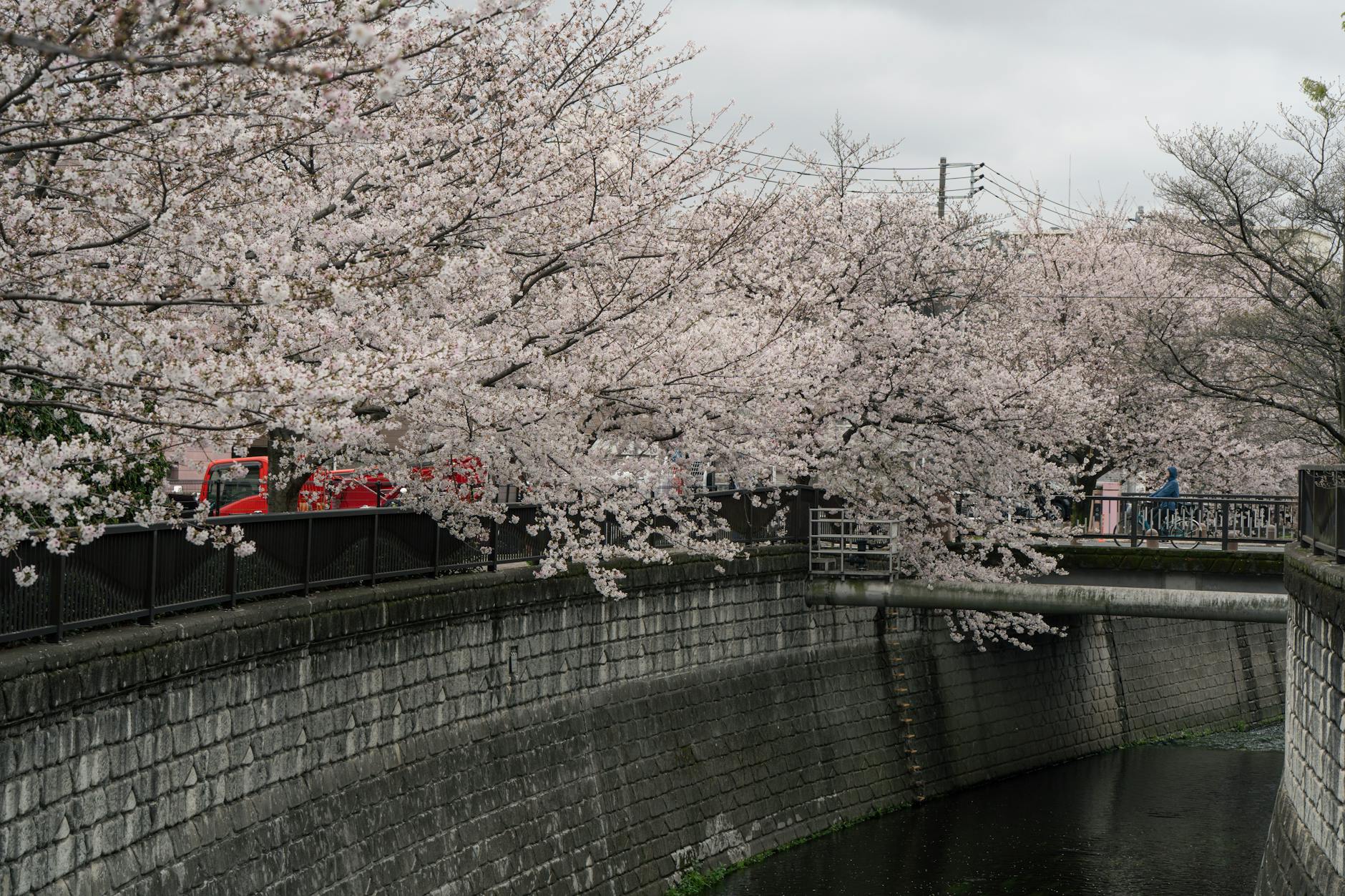
When the sakura hits peak bloom, Kyoto stops being a beautiful historic city and becomes something closer to a dream you’re not sure you deserve to be having. Ancient temple gates framed by clouds of pale pink blossoms, lantern-lit riverside paths carpeted in petals, the particular hush that falls over a moss garden when the wind shakes loose a shower of flowers - there’s nothing quite like it anywhere else on earth. You just need to go in with a plan.
When to Go: The Bloom Window Is Unforgiving
Full bloom (mankai) in Kyoto typically falls between late March and early April, though climate variation means this shifts by a week or two each year. The Japan Meteorological Corporation publishes annual forecasts from around January, and these are worth bookmarking obsessively. Peak bloom usually lasts only about a week before petals start falling - though the falling petals (hanafubuki, or “blossom snowstorm”) have their own particular magic.
The sweet spot most seasoned visitors aim for is the transition between late bloom and early petal fall, roughly April 1–10 in an average year. You get the full canopies plus the cinematic petal drift. If you have flexibility, aim to arrive a few days before predicted peak and stay through it.
Early morning is non-negotiable at the major spots. By 9am at Maruyama Park or Philosopher’s Path, the crowds are already thick. By noon, you’re essentially at a street festival. Get up at 6am, go straight to your priority site, and reward yourself with a slow breakfast afterward.
The Neighborhoods: Where to Focus Your Time
Higashiyama
The eastern mountain district is Kyoto’s most atmospheric area and arguably the best neighborhood to base yourself during sakura season. The preserved machiya townhouses along Ninenzaka and Sannenzaka lead you uphill toward Kiyomizudera, one of Kyoto’s most spectacular temples. The wooden stage at Kiyomizudera projects out over the hillside, and when the surrounding trees are in bloom, the view is frankly absurd in the best possible way. Buy your entry ticket (roughly $5) and arrive by 7am - the temple opens early and the early light through the blossoms is extraordinary.
Nearby Maruyama Park is Kyoto’s most famous hanami (blossom-viewing) spot, centered on a massive weeping cherry tree that’s illuminated at night. The evening light-up events (usually ticketed at roughly $8–12 through the local ward office) are genuinely beautiful, though the surrounding food stalls and picnic crowds make it feel more festive than meditative.
Arashiyama
The western district along the Oi River is where Kyoto flexes its full romantic arsenal. The riverbanks around Togetsu-kyo bridge are lined with cherry trees, and the mountain backdrop turns the whole scene into something a painter would hesitate to attempt for fear of being called unrealistic. Tenryu-ji temple’s garden (entry roughly $11) rewards a slow morning walk. Avoid the bamboo grove between 10am and 4pm entirely - it’s so packed it becomes unpleasant - but the rest of Arashiyama at shoulder hours is magnificent.
The small streets behind the main tourist drag, particularly around Jojakko-ji and Nison-in temples, see a fraction of the crowds and offer some of the best blossom scenery in the city. These are the places you wander into by instinct and end up remembering for years.
Philosopher’s Path (Tetsugaku-no-Michi)
This two-kilometer canal-side walkway in the Okazaki area is lined with hundreds of cherry trees whose branches form a tunnel over the path at full bloom. It’s named after philosopher Nishida Kitaro, who reportedly walked it daily. In late March it’s transcendent; by mid-April it’s already over. The path itself isn’t ticketed or gated, but it gets extremely busy from mid-morning. Walk it north to south, starting near Ginkaku-ji (the Silver Pavilion, entry roughly $9) in the early morning, stopping for coffee at one of the small cafes along the route.
Fushimi Inari and the Southern Districts
Fushimi Inari’s famous vermillion torii gates don’t offer cherry blossoms at the shrine itself, but the trails up Mount Inari pass through forested areas where wild cherries bloom among the cedar. More importantly, visiting Fushimi during sakura season makes strategic sense - it’s slightly less affected by blossom-season crowd surges than the central sites, and the 4km trail to the summit (free, open 24 hours) thins out dramatically above the second rest stop.
Top Experiences Beyond the Famous Spots
Daigo-ji temple in the southeastern Fushimi ward is one of Kyoto’s most undervisited blossom locations. Toyotomi Hideyoshi famously held a cherry blossom viewing party here in 1598. The Sanbo-in garden complex is spectacular, and the overall crowd levels are a fraction of Maruyama. Entry runs roughly $15–20 including the garden access. Take the Tozai subway line to Daigo Station - it’s about 30 minutes from central Kyoto.
Heian Shrine’s garden opens for special nighttime illumination during blossom season (roughly $9, book ahead). The weeping cherries reflected in the central pond under lantern light is one of Kyoto’s genuinely unmissable evening experiences.
Hanami picnics are a legitimate cultural practice, not just a tourist affectation. Buy bento boxes from Nishiki Market (Kyoto’s covered food market on Nishikikoji Street - budget roughly $10–15 per person), pick up a small bottle of sake or canned chu-hi from any convenience store, and find a patch of grass under blossoming trees. Locals do this constantly throughout the season. It’s the right way to be here.
Getting There
From Tokyo, the Shinkansen (bullet train) from Tokyo Station to Kyoto Station takes roughly 2 hours 15 minutes on the Nozomi service. A reserved seat runs roughly $130–140 one way. If you have a Japan Rail Pass (worth buying if you’re traveling beyond Kyoto), the Hikari service is covered and takes about 2 hours 40 minutes.
Flying into Osaka Kansai International Airport and taking the Haruka express train to Kyoto Station is a solid option - roughly 75 minutes and about $30. Osaka Itami airport is closer and more convenient if you can find flights.
Getting Around Kyoto
Kyoto’s bus network is comprehensive and relatively easy to navigate - a day pass costs roughly $6 and covers most tourist areas. However, during cherry blossom season, buses on the main tourist corridors can be painfully slow due to congestion. The subway is faster for north-south travel (Karasuma line) and east-west (Tozai line), though it doesn’t reach Arashiyama.
For Arashiyama, the Sagano/San-in line from Kyoto Station is the best bet. The Keifuku Arashiyama line (“Randen”) from Shijo-Omiya is a charming old tram that’s worth taking at least once.
Renting a bicycle is genuinely one of the better ways to move between eastern Kyoto neighborhoods - Higashiyama, Okazaki, and the Philosopher’s Path are all manageable on two wheels, and you can lock up and explore on foot when needed. Rentals run roughly $10–15 per day from shops near Kyoto Station.
Where to Stay
Accommodation prices during peak blossom season are brutal. Budget accordingly and book as early as possible - ideally three to four months out minimum, six months for anything decent at reasonable prices.
Staying in Higashiyama puts you closest to the eastern temple circuit. Gion, the traditional geisha district immediately west of Higashiyama, offers machiya guesthouses and boutique hotels that range from roughly $150 to $400+ per night during peak season. The neighborhood atmosphere alone justifies the premium.
For more budget-conscious travelers, the area around Kyoto Station has a higher density of business hotels and capsule hotels (roughly $60–100 per night) and excellent transit connections. It lacks atmosphere but it’s functional and central.
If budget allows, a single night at a traditional ryokan with kaiseki dinner and breakfast is one of the defining Japanese travel experiences. Expect to pay roughly $300–600 per person per night at a mid-range option. It’s a lot - but for many visitors it becomes the memory that anchors the entire trip.
A Few Honest Warnings
Your blossom photos will look like everyone else’s blossom photos because you’ll be standing in the same places at the same time as everyone else. Make peace with this early. The better photos often come from turning around and shooting what’s behind the crowd rather than what’s in front of it.
Convenience stores (7-Eleven, FamilyMart, Lawson) are underrated in Japan generally and life-saving in Kyoto during peak season. A 6am convenience store breakfast - onigiri, tamagoyaki, hot coffee from the machine - eaten on a quiet bench before the crowds arrive is a small perfection.
Finally: stay one day longer than you think you need to. The day after you’ve checked all the famous spots off your list - that’s often when the real Kyoto reveals itself.