The Eclipse Wasn’t the Plan. Then It Was.
London was forecast to catch over 90% partial solar coverage during August’s eclipse - enough, by most reasonable standards, to satisfy curiosity without booking a flight. That calculus held until a Monday afternoon when the pull of totality proved stronger than a self-imposed travel ban.
Why the Sky Beats the Ground for Eclipse Totality
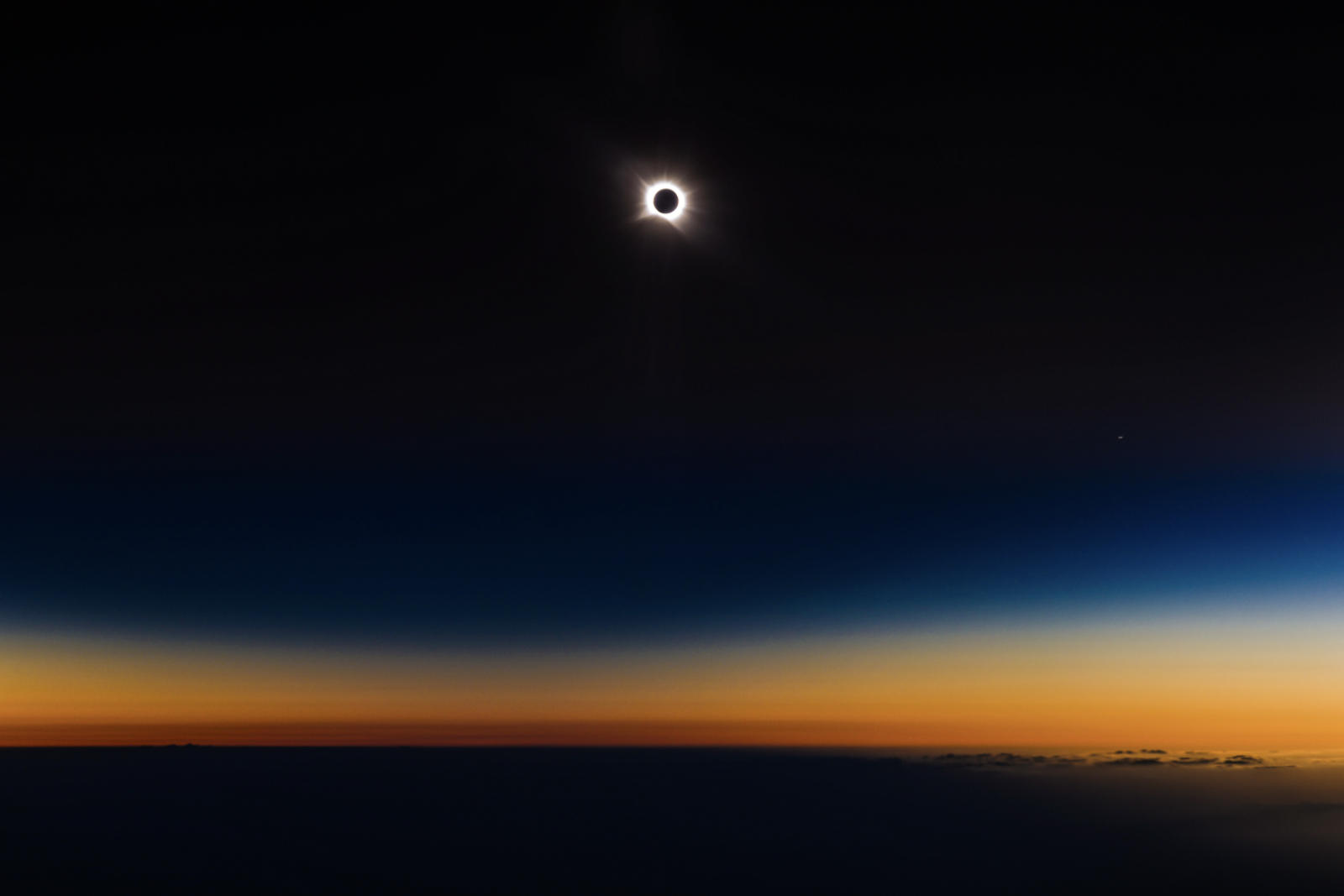
The path of totality for this eclipse ran through northern Spain and the Balearic Islands, both reachable from London in under three hours. Ground-based viewing in either location carries the usual risks: cloud cover, crowds, and the rigid geography of wherever you happen to be standing. An aircraft in the right position at the right altitude has none of those constraints. Above the weather layer, with a west-facing window seat and precise timing, the geometry of a total solar eclipse becomes something you can engineer rather than hope for.
The first attempt at finding the right flight failed. A planned route to Palma de Mallorca Airport (PMI) - which had wide-open award availability on British Airways - turned out to track too far north to intersect totality. The flight path looked correct on a map until the orbital math said otherwise. Getting the science wrong at this stage costs nothing except time, which is why checking assumptions before booking matters more than moving fast.
The revised approach was more rigorous. Three days of FlightRadar24 historical data went into analyzing which flights had crossed the relevant corridor at the relevant time. The key variable wasn’t the destination - it was the delay. British Airways Flight 2644, scheduled to depart London Gatwick (LGW) at 5:10 p.m. bound for Malaga-Costa del Sol Airport (AGP), typically lifted off roughly an hour late. That habitual delay placed the aircraft exactly where the shadow would be, at exactly the right moment. Without the delay, the flight would miss totality entirely. With it, the geometry aligned.
This is the kind of planning that standard eclipse travel guides don’t cover. Most advice focuses on destination - which city, which hilltop, which beach. The airborne approach flips that logic entirely. The destination is almost irrelevant. What matters is the arc the plane travels between two points, and whether that arc crosses the umbra during the four-minute totality window.
Award availability on Flight 2644 was open in both economy and business class at the time of booking. The ticket cost 14,000 Avios plus £2.50 in taxes and fees - approximately $3 out of pocket. Seat selection on the right-hand, west-facing side of the aircraft was free with British Airways Club Gold status. SeatSpy and Seats.aero, both award availability tracking tools, were used to identify the opening. The whole booking process, once the correct flight was identified, took minutes.
Executing the Plan: Gatwick to the Shadow of the Moon
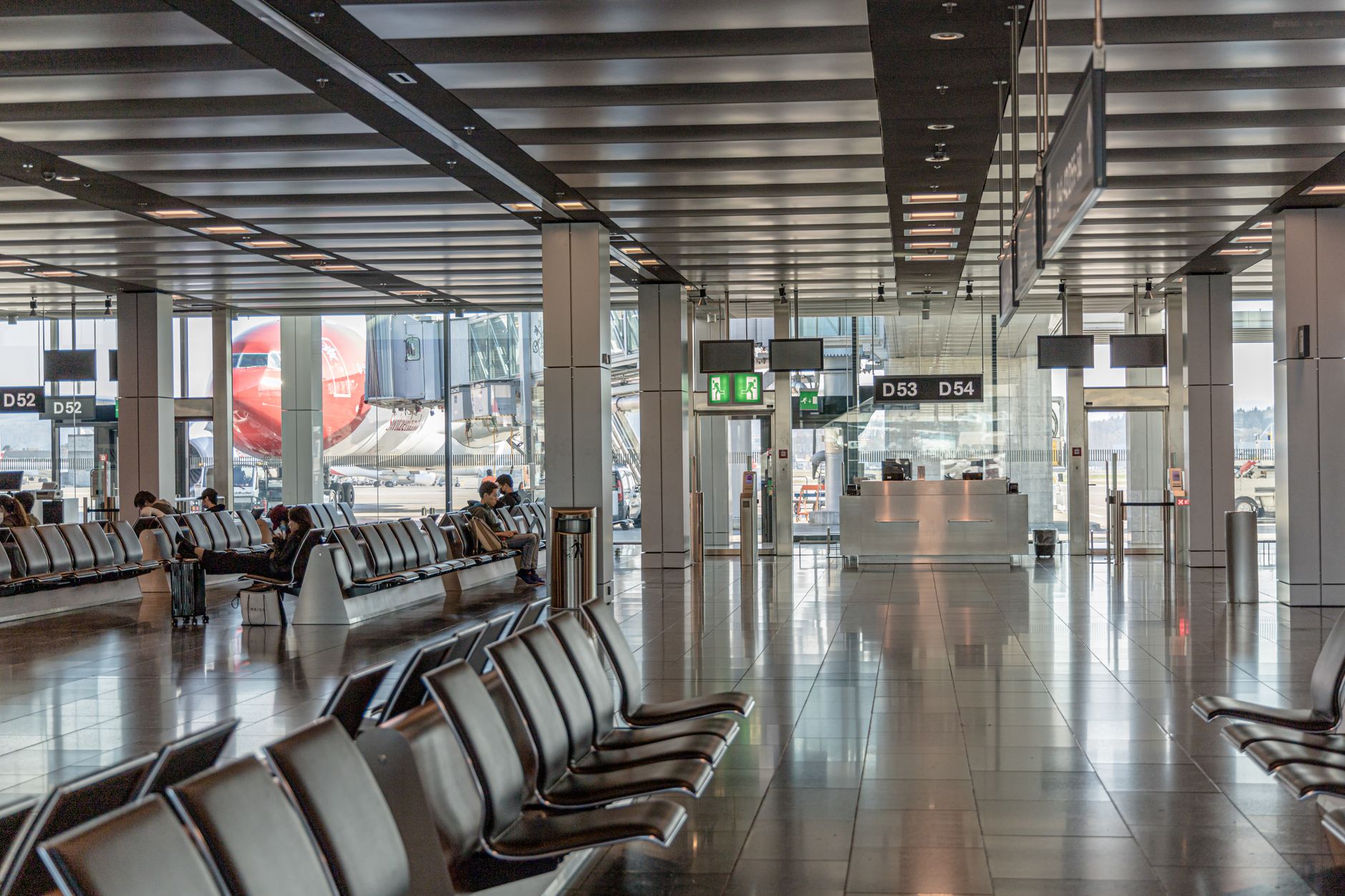
Getting to Gatwick early enough to clear security without stress is straightforward on a normal travel day. On this one, with eclipse glasses packed alongside camera equipment, the stakes felt considerably higher. Security was quiet. There was time for a meal before the gate.
Boarding later than scheduled was, for once, welcome news. Every small delay pushed the departure closer to the target window. Boarding last - a reversal of every experienced traveler’s instinct - felt like a reasonable psychological contribution to slowing things down. The aircraft pushed back and joined a departure queue.
Wheels left the ground at 6:05 p.m., approximately five minutes ahead of the ideal target takeoff time. That margin was close enough.
What followed was not guaranteed. Cloud cover, an unexpected routing change, or a slightly different climb profile could have ended the experiment before totality arrived. Solar-protective glasses were on. Cameras were ready. The sun tracked slowly across the window as the aircraft climbed south over the English Channel and toward the Iberian Peninsula.
The practical lessons for anyone attempting this on a future eclipse are specific. West-facing window seats on a southbound flight are non-negotiable - the sun needs to be visible from your side of the aircraft. Rows near the wing compromise the sightline; seats ahead of or behind the wing are better. A flight that crosses the totality path at low altitude, still climbing through cloud, is worse than one that crosses it in cruise. And historical flight data - FlightRadar24 provides this - is more reliable than scheduled departure times when you’re trying to predict where an aircraft will be at a specific minute.
The cost calculation is worth stating plainly. Northern Spain eclipse packages for this event ran into hundreds of pounds for ground transport, accommodation, and viewing spots with no weather guarantee. The Malaga flight, door to door, cost £2.50 in cash plus points that carry a cash equivalent of roughly £112 at a conservative Avios valuation - still a fraction of any organized eclipse tour, and with a seat above the clouds rather than beneath them.
What the Booking Process Actually Requires
Award travel adds a layer of complexity that straight cash bookings don’t. Avios accumulate through British Airways’ Executive Club, through partner credit card spending, and through hotel and car rental partners. Fourteen thousand Avios sits at the lower end of the British Airways short-haul award chart for economy - the same band that covers most flights within Europe. For travelers without an existing Avios balance, the equivalent cash fare on this route is typically under £100 each way, which still undercuts most eclipse tourism products significantly.
SeatSpy monitors British Airways award space and sends alerts when seats open, which matters because availability on peak-season European routes fluctuates. Seats.aero covers a broader range of airline programs and is useful for comparing whether transferable points currencies - Amex Membership Rewards, Chase Ultimate Rewards, and others - might access the same flight through a different partner program.
Seat 14A or any equivalent right-side window seat on a British Airways A320 family aircraft places you at roughly the wing trailing edge - acceptable, though a row or two further back improves the unobstructed view angle. Club Europe seats on this aircraft type sit in the same physical cabin as economy, with a blocked middle seat and a different meal service. For eclipse purposes, the window geometry is identical, and the 14,000 Avios price holds for economy.
The Malaga airport arrival, of course, is a normal travel experience with normal logistics. AGP handles significant summer volume from the UK; the train connection to central Malaga runs regularly and costs under €2. Whether the flight itself delivered on the eclipse is a question of what happened between 6:05 p.m. over the English Channel and the moment the aircraft reached Spanish airspace - which is where £2.50 either became the best money spent in 2024, or an excellent story regardless.