The City at a Glance
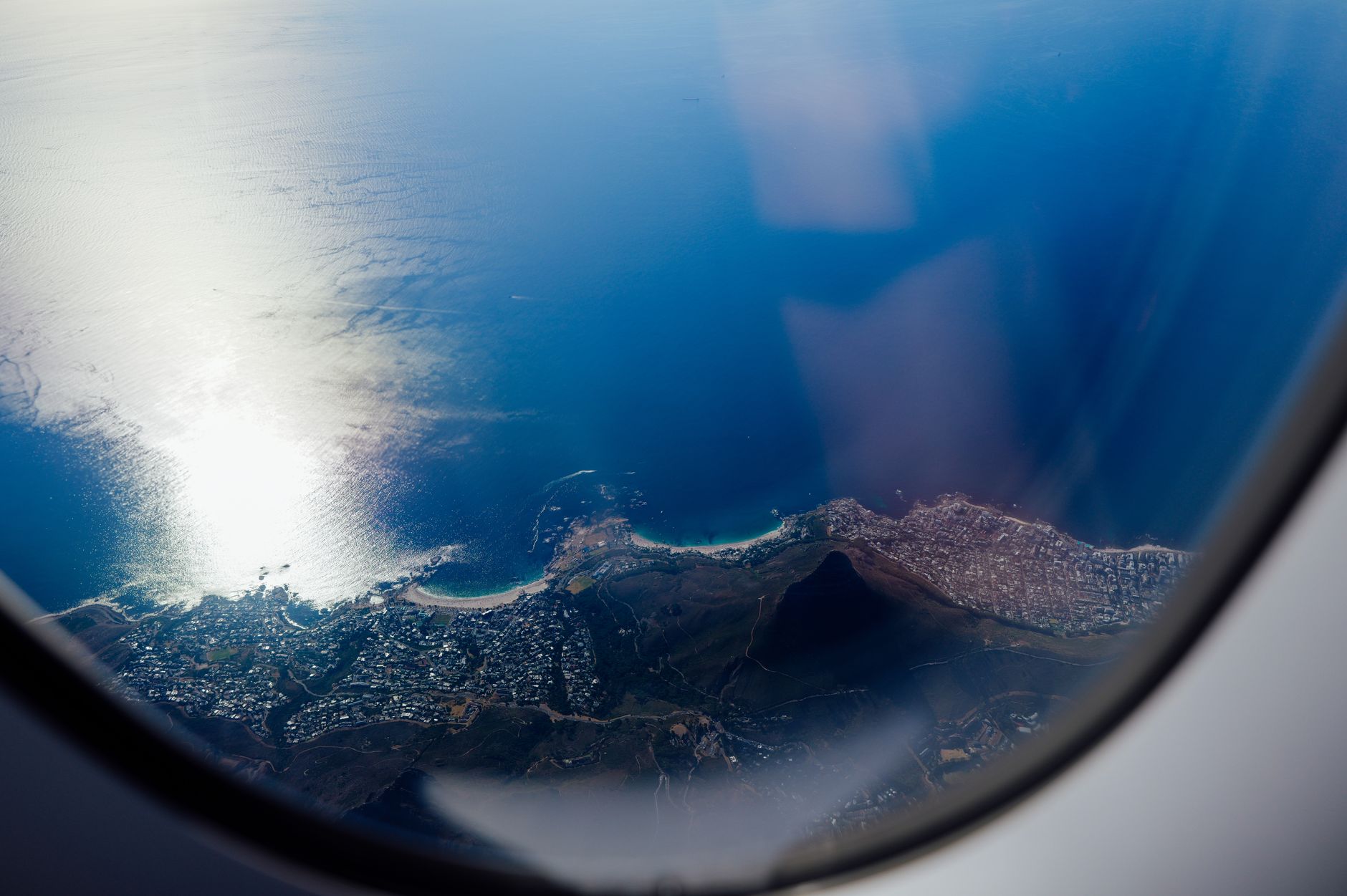
Cape Town is one of those rare places that actually lives up to the hype. Sitting at the southwestern tip of Africa, hemmed in by the Twelve Apostles mountain range on one side and two oceans on the other, it is dramatically, almost unreasonably beautiful. But it is not just scenery. The city has a complicated, fascinating history - from its origins as a Dutch East India Company supply post in the 1650s, through apartheid, to its current identity as one of Africa’s most cosmopolitan and creative cities. You will find world-class restaurants, a thriving arts scene, excellent wine within an hour’s drive, and wildlife that would be the headline attraction in almost any other country on earth. Cape Town has the confidence to let all of that coexist without forcing any of it.
It is also a city of real inequality. The contrast between areas like Clifton and the township communities of Khayelitsha is stark, and a thoughtful traveler will want to engage with that honestly rather than looking away. Township tours exist on a spectrum from extractive to genuinely meaningful - seek out operators like Coffeebeans Routes, which are community-led and actually put money in the right pockets.
When to Visit
Cape Town has a Mediterranean climate, which means hot, dry summers and cool, wet winters. The southern hemisphere calendar flips things for northern visitors: summer runs November through February, and this is peak season - expect crowds at Table Mountain, higher accommodation prices, and the long golden evenings that make the city feel effortless.
If you want a quieter, cheaper visit with moody cloud drama over the mountain, consider the shoulder seasons of March–April or September–October. The famous Cape Doctor, a powerful southeasterly wind, blows hardest in summer and can make beach days uncomfortable and close Table Mountain’s cable car for days at a time. Winter (June–August) brings rain and cold evenings but also whale season in nearby Hermanus, green wine country, and hotel rates that drop significantly. Budget travelers who do not mind layering up will find winter genuinely rewarding.
The Neighborhoods
City Bowl and the CBD
The central business district sits in the bowl beneath Table Mountain, and while parts of it get quiet after dark, the area around Bree Street has become genuinely lively. This is where you will find the best concentration of restaurants and bars - Shortmarket Club, The Test Kitchen’s more accessible sibling Dash, wine bars like Publik. The city bowl is practical for first-time visitors.
De Waterkant and Green Point
Just north of the CBD, De Waterkant is a gentrified neighborhood of pastel Cape Dutch cottages, boutique hotels, and a strong café culture. It bleeds into Green Point, which runs along the coast toward the V&A Waterfront. Accommodation here gives you easy access to both central sights and the beachfront without being in the thick of tourist traffic.
The V&A Waterfront
The Victoria & Alfred Waterfront is unabashedly commercial and genuinely enjoyable despite it. The setting - working harbour, mountain backdrop - is spectacular, and the Zeitz Museum of Contemporary Art Africa (MOCAA), housed in a converted grain silo, is one of the most architecturally extraordinary buildings on the continent. Give it at least two hours. Expect to pay roughly $15 entry. Robben Island ferries depart from here, though book well in advance - tours sell out weeks ahead.
Bo-Kaap
Climbing the slopes above the CBD, Bo-Kaap is Cape Town’s most photographed neighborhood - cobblestone streets lined with brightly painted houses that have been home to the Cape Malay community for centuries. Come for a walk in the morning before the tour buses arrive. The spice shops and koeksisters from local bakeries are worth the trip alone.
Sea Point and Bantry Bay
A long promenade runs along the Atlantic seaboard here, packed at weekends with runners, dog walkers, and families using the tidal pools. Sea Point has excellent casual eating at every price point - the stretch of Main Road offers everything from sushi to Mozambican grilled prawns. This is arguably the best neighborhood for mid-range accommodation with a local feel.
Camps Bay and Clifton
South of Sea Point, the Atlantic seaboard opens into the glamorous postcard version of Cape Town. Clifton’s four beaches are sheltered, beautiful, and freezing (the Atlantic here is genuinely cold - roughly 12–15°C even in summer). Camps Bay is more accessible and has the famous strip of restaurants and bars facing the mountain and sea. Accommodation here costs a premium but the sunsets justify it.
Woodstock and Observatory
Woodstock, east of the CBD, is Cape Town’s creative neighborhood - galleries, design studios, and the Old Biscuit Mill, which hosts an excellent Saturday market. Observatory, a little further out, is the student and bohemian quarter, cheap and unpretentious, with good live music venues.
Top Experiences
Table Mountain
Hike up or take the rotating cable car (roughly $25 return) and spend time on the summit rather than rushing back down. The fynbos ecosystem up here is unlike anything else - thousands of plant species found nowhere else on earth. Hike the Platteklip Gorge route up (about 2 hours at a steady pace) and take the cable car down. Check the weather and wind forecasts obsessively; the mountain makes its own weather.
Cape Point and the Peninsula
The Cape of Good Hope Nature Reserve at the tip of the peninsula is a half-day excursion worth prioritising. Drive the scenic coastal road through Chapman’s Peak (roughly $3 toll), stop at Boulders Beach to walk among the African penguin colony (entry roughly $12), and continue to the reserve. The views from Cape Point itself are wild and elemental.
The Cape Winelands
Stellenbosch is roughly 50 km from Cape Town and is the most accessible wine region - a university town surrounded by some of South Africa’s finest estates. Franschhoek, 30 km further, is more boutique and gastronomic, with a strong French Huguenot heritage. A driver for the day costs roughly $100–130 and is absolutely the right call. Expect to pay roughly $5–12 for a wine tasting at most estates.
Eating and Drinking
Cape Town’s food scene has genuine ambition. The Test Kitchen in Woodstock is still the headline act - the tasting menu runs roughly $120 per person and books out months ahead, but it earns the accolades. For something more casual, Bao Down in De Waterkant does exceptional Asian-influenced small plates. La Mouette in Sea Point offers a more relaxed fine dining experience at roughly $60 for a tasting menu. Pick up a snoek from the fishers at Kalk Bay harbour and you will have spent roughly $8 on something you will remember.
Practical Tips
Getting There
Cape Town International Airport sits about 20 km from the city centre. The MyCiti bus runs a dedicated airport service for roughly $1.50 but requires a myconnect card (buy at the airport). A metered taxi or Uber costs roughly $10–15 to the CBD or Atlantic seaboard. Most international visitors connect through Johannesburg - direct flights from Europe and the US do exist but are less frequent.
Getting Around
Owning or hiring a car genuinely transforms a Cape Town visit. Roads are good, signage is clear, and many of the best experiences - Cape Point, the Winelands, Chapman’s Peak - are difficult to reach otherwise. Car hire runs roughly $35–60 per day for a small vehicle. Uber is reliable and cheap within the city (most central trips cost $3–8). The MyCiti bus network covers the Atlantic seaboard corridor well. Avoid driving at night in unfamiliar areas and never leave valuables visible in a parked car.
Accommodation
The Atlantic seaboard and De Waterkant area offer the best balance of location and quality. Boutique guesthouses in Sea Point run roughly $80–150 per night for a double and are generally superior value to the big chain hotels. The Silo Hotel at the Waterfront is the splurge choice - rooms from roughly $500 per night - but the design alone is worth a visit to the bar. For budget travellers, Observatory has good hostels from roughly $20 per night.
Safety
Cape Town requires the same urban awareness you would apply in any major city, with heightened attention. Stay aware on the CBD streets after dark, do not display expensive cameras or phones unnecessarily, and take Ubers rather than walking unfamiliar routes at night. The tourist-facing areas - Atlantic seaboard, Waterfront, Winelands - have good safety records for visitors who stay alert.
Currency and Budget
The South African Rand makes Cape Town excellent value for those carrying dollars, euros, or pounds. A generous daily budget including accommodation, meals, and experiences runs roughly $120–200 per person. The Rand’s volatility means checking current rates matters - at the time of writing, one dollar buys roughly 18 Rand. Card payments are widely accepted; keep some cash for markets and smaller vendors.
The Honest Verdict
Cape Town will almost certainly get under your skin in a way that is hard to articulate before you go. The combination of natural drama, culinary ambition, cultural complexity, and sheer physical beauty is rare. It also demands honest engagement - the history, the inequality, the ongoing story of a city still working out what it wants to be. That complexity is part of what makes it extraordinary. Give it at least five days. A week is better. Two weeks and you will start looking at property.