Barcelona Is Not One City - It’s Many
Most visitors land, drop their bags near Las Ramblas, and spend a week thinking they’ve seen Barcelona. They haven’t. They’ve seen the tourist-facing shell of a city that runs considerably deeper than the souvenir shops and sangria bars suggest. Barcelona is a collection of distinct barrios, each with its own personality, price point, and rhythm. Get to know them properly and you’ll leave understanding why people who come here for a weekend end up staying for years.
When to Visit
April through June hits the sweet spot - warm enough for beach days, manageable crowds, and the city’s cultural calendar in full swing. September and early October are equally strong, with locals returning from August holidays and a more authentic energy on the streets. Avoid August if you can: temperatures push past 35°C, locals flee, and the city becomes a theme park version of itself. Winter, particularly January and February, is underrated - prices drop significantly, lines at Gaudí sites shrink, and you’ll find Barcelona in a quieter, more contemplative mood that suits it surprisingly well.
The Neighborhoods
Gòtic (Gothic Quarter): Character Comes at a Cost
The Gothic Quarter is where Barcelona’s Roman bones are closest to the surface. Narrow medieval streets open unexpectedly onto squares like Plaça de Sant Felip Neri, where bullet holes from the Civil War are still visible in the church walls. The Barri Gòtic is atmospheric, centrally located, and increasingly expensive in terms of what you actually get. Many hotels here charge premium rates for rooms that are small, dark, and noisy. That said, if proximity to the Cathedral, the Roman ruins beneath the city’s history museum (MUHBA), and a genuinely walkable old city matters to you, it’s hard to argue against staying here. Accommodation runs roughly $150–$300 per night for decent options.
Practical note: don’t confuse “Gothic” with “historic preservation.” Large chunks of the barrio were reconstructed or embellished in the early 20th century to look medieval. It’s beautiful, but it’s partly theater.
El Born / Sant Pere: Barcelona’s Creative Core
Just east of the Gothic Quarter, El Born is where the city’s creative class actually lives. The streets around Carrer del Rec and Passeig del Born are lined with independent boutiques, natural wine bars, and restaurants that treat ingredients with genuine seriousness. The Basílica de Santa Maria del Mar - built by the merchants and workers of the neighborhood in the 14th century - is arguably the finest Gothic church in Barcelona and usually far less crowded than the Cathedral.
El Born is also home to the Born Cultural Centre, built inside a 19th-century iron market that was never completed, where excavated ruins from 1714 sit exposed beneath the vaulted ceiling. It’s one of the most quietly affecting historical sites in the city.
Stay here if you want excellent restaurant access, a youthful but not raucous atmosphere, and proximity to both the beach and the Gothic Quarter. Expect to pay roughly $130–$250 per night for good boutique options.
Eixample: The Grid and the Grandeur
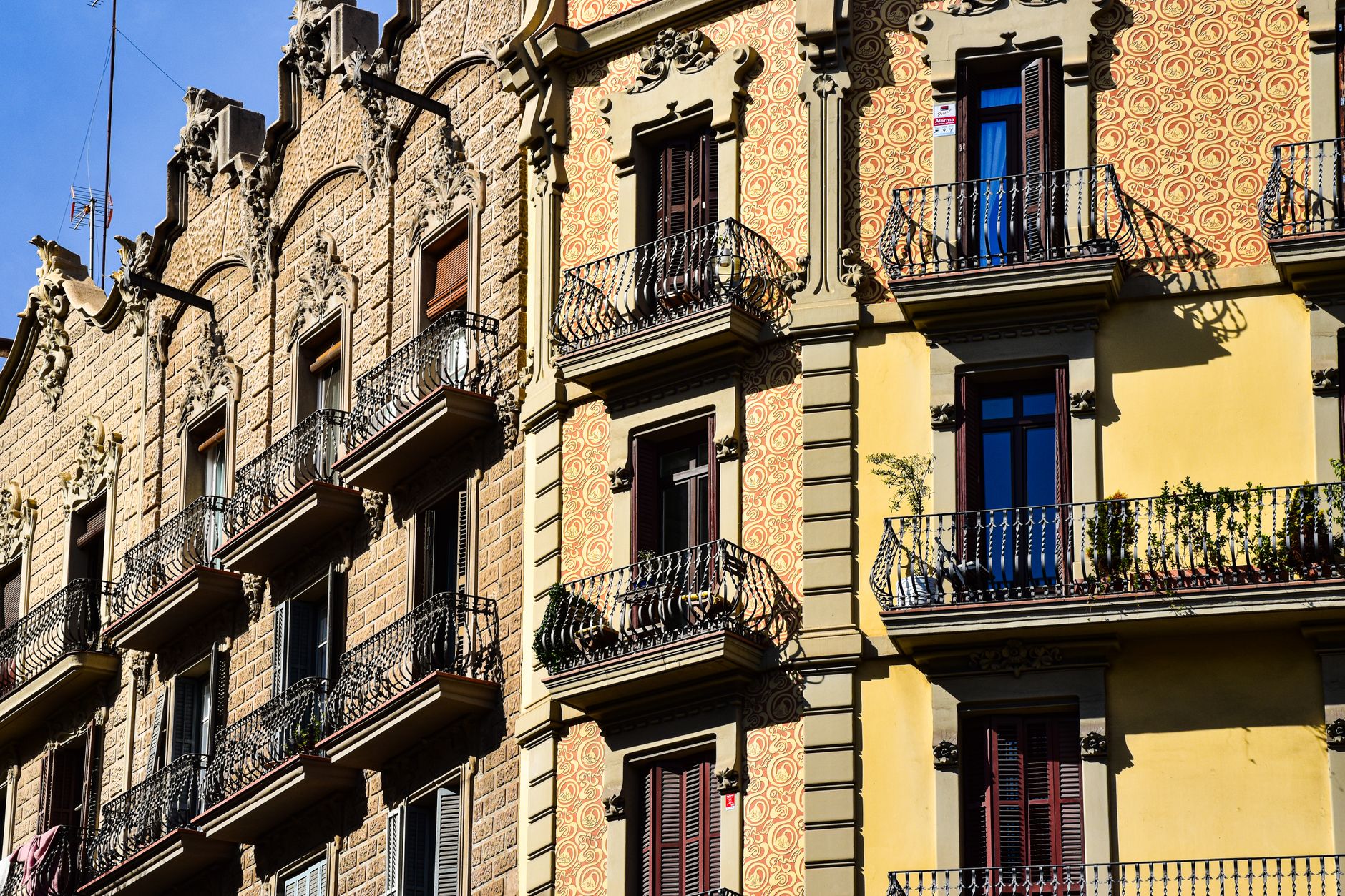
Designed by Ildefons Cerdà in the 1860s as a radical urban planning project, the Eixample (pronounced eye-SHAM-pluh) is Barcelona’s modernista heartland. The Sagrada Família is here. So is the Casa Batlló, La Pedrera, and the Palau del Baró de Quadras. This is also where Barcelona’s most established restaurants and upscale shopping concentrate, particularly along Passeig de Gràcia.
The left side of the Eixample (Esquerra de l’Eixample) has long been the center of Barcelona’s LGBTQ+ community - the “Gayxample” - and retains a more relaxed, neighborhood feel than the posher right side. Apartments here tend to be larger and brighter than in the old city, and the grid layout means you’ll rarely get lost. Budget roughly $120–$220 per night for solid mid-range hotels.
Gràcia: The Village Within the City
Technically absorbed into Barcelona in 1897, Gràcia has never fully accepted the annexation. It feels like a small town dropped into the middle of a major city - all neighborhood squares (Plaça de la Vila de Gràcia, Plaça del Sol, Plaça de la Virreina), local markets, and a density of bars that cater to residents rather than visitors. The Festa Major de Gràcia in August, when residents compete to decorate their streets with elaborate hand-made installations, is one of the city’s great free spectacles.
This is where to stay if you want to live like a resident rather than visit like a tourist. Fewer international chain hotels means more apartment rentals and small guesthouses. Budget roughly $90–$180 per night, and you’ll likely find more space for your money.
Barceloneta and the Waterfront: Reclaimed by Tourism, Still Worth It
Barceloneta, the triangular fishing district jutting into the Mediterranean, is not what it was. Rising rents have pushed most long-term residents out and the beach restaurants (chiringuitos) range from excellent to tourist-trap. But the beach itself remains genuinely lovely, the Barceloneta market is functional and local, and the waterfront walk connecting the beach to the Port Olímpic area offers some of the best casual people-watching in the city.
Don’t stay here unless beach access is your absolute priority. Do come for an afternoon.
Poble Sec and Montjuïc: The Underrated Slope
Perhaps the most undervalued residential neighborhood for visitors, Poble Sec sits on the lower slopes of Montjuïc between the Eixample and the hill. Carrer de Blai is famous for its pintxos bars - you can eat well for roughly $15–$20 per person - and the neighborhood has a genuine mix of long-term residents and a younger, creative crowd.
Montjuïc itself rewards the effort to get up there: the Fundació Joan Miró is one of the great modern art museums in Europe, the Castell de Montjuïc offers panoramic views of the city and port, and the Pavelló Mies van der Rohe (the reconstructed Barcelona Pavilion) is a pilgrimage site for anyone interested in architecture.
Poblenou: Post-Industrial Cool
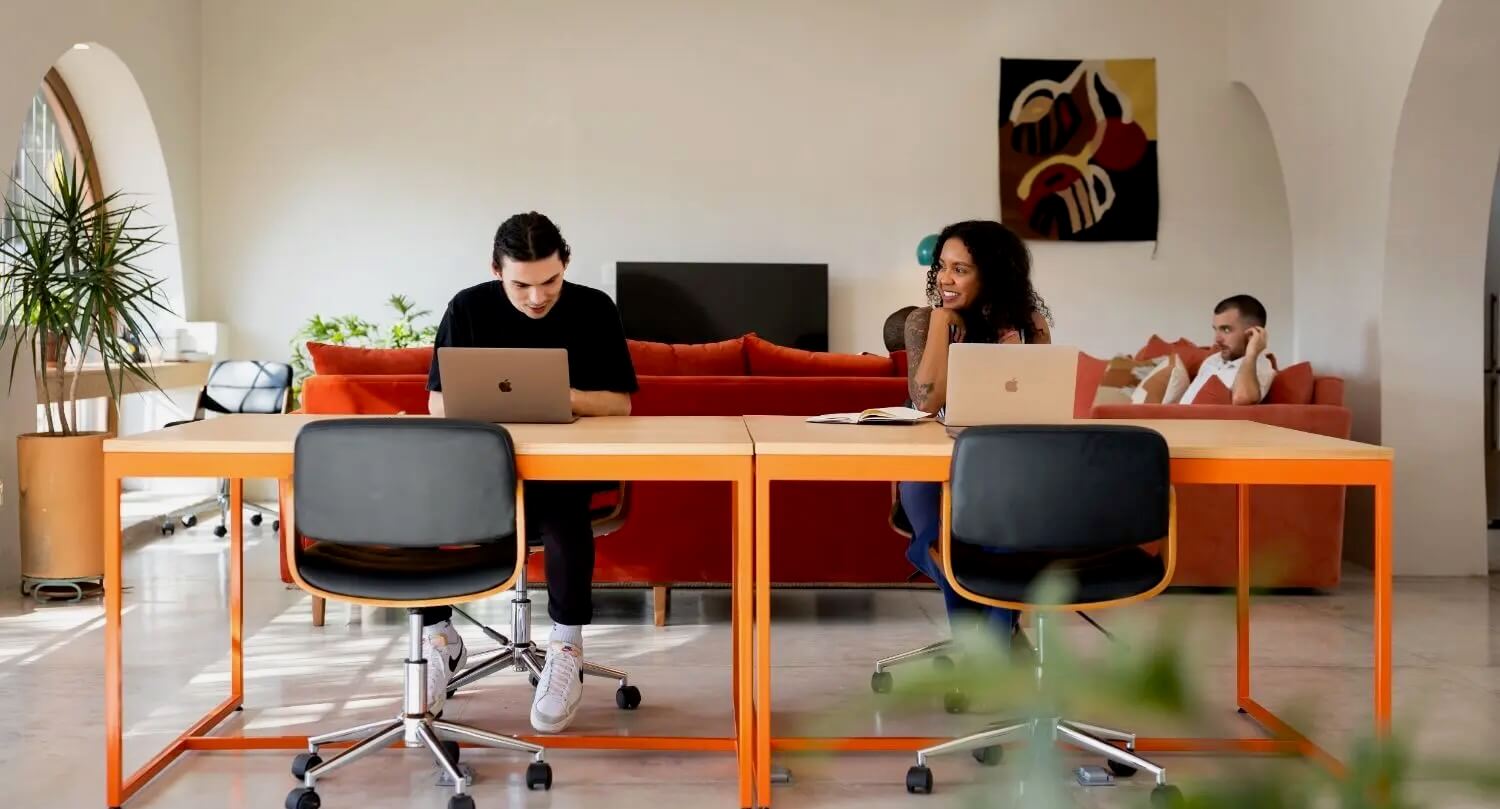
The former industrial district east of the city center has been rebranding itself as Barcelona’s tech and design hub for two decades, and the results are genuinely interesting. The Rambla del Poblenou is a quieter, more residential version of Las Ramblas that functions as an actual neighborhood thoroughfare. The streets off it are dotted with converted factory spaces hosting galleries, co-working spaces, and some of the city’s more interesting restaurants.
If you’re staying more than a week, considering renting an apartment in Poblenou gives you a strong sense of the city’s present rather than its past.
Top Experiences Across the Barrios
Mercat de Santa Caterina (El Born) - The Enric Miralles–designed market with its extraordinary mosaic roof is less tourist-heavy than the Boqueria and actually functions as a neighborhood market. Go on a weekday morning.
La Sagrada Família (Eixample) - You should go, yes. Book tickets online well in advance (roughly $30–$40 with tower access) and arrive at opening time. The interior, flooded with colored light through Gaudí’s calculated stained glass, is more affecting than any photograph prepares you for.
Fundació Joan Miró (Montjuïc) - Entry is roughly $15. The building by Josep Lluís Sert is as much a reason to visit as the collection inside. Go on a Thursday evening when it stays open late and the crowds thin.
Bar Calders (Poble Sec) - A perfect neighborhood bar for understanding what an everyday Barcelona evening looks like. Vermouth before lunch, wine after dinner, no fuss.
Practical Information
Getting There
Barcelona–El Prat Airport (BCN) is the main hub, well-connected to European cities. The Aerobus runs directly to Plaça de Catalunya (the city’s central square) for roughly $8 and takes 35 minutes. A taxi costs roughly $35–$45 depending on traffic. If you’re arriving by train, Barcelona Sants is the main intercity rail station, connected to the metro.
Getting Around
The metro is excellent and covers most of the city’s main areas. A T-Casual card (10 trips) costs roughly $12 and works across metro, bus, and tram. The city’s Bicing bike-share scheme requires a local registration, but numerous private bike rental shops near the waterfront rent by the hour or day for roughly $15–$25 per day. Walking between El Born, Gòtic, and the Eixample is not only possible but recommended - distances are shorter than they appear on maps.
Accommodation Tips
Book directly with hotels when possible to avoid platform fees. Apartments in Eixample or Gràcia offer better value than comparable hotel rooms in the Gothic Quarter. If you’re visiting in peak season (June–August), book at least two months ahead. For boutique hotels, the El Born and Poble Sec areas currently offer the best combination of character, access, and reasonable pricing. Avoid hotels directly on Las Ramblas - the location sounds appealing until 2am on a Friday when it isn’t.
The Honest Advice
Barcelona rewards the visitor who resists the obvious. The Boqueria market has become largely performative; Cervecería Catalana has a permanent line; Las Ramblas exists mainly to separate tourists from their wallets and occasionally their phones. None of this means Barcelona has lost its soul - it hasn’t. It just means the soul has moved slightly off the main drag, into the tapas bar on a side street in Gràcia where nobody is photographing their food, or the wine shop in El Born run by someone who actually wants to talk about what you’re drinking. That Barcelona is still very much there. You just have to walk toward it.