Why Bali Still Delivers
Bali has been on every ‘top destination’ list for so long that it’s easy to dismiss it as overhyped. It isn’t. Yes, parts of Kuta feel like a budget resort town that got out of hand in the 1990s and never quite recovered. But get past that first impression - which, if you’re flying into Ngurah Rai International Airport, is almost unavoidable - and Bali rewards you with something genuinely hard to find: a place where ancient Hindu culture, extraordinary landscapes, and a serious food scene coexist with real infrastructure for travelers.
For first-timers, the challenge isn’t finding things to do. It’s making decisions. Bali is compact enough to feel manageable on a map but diverse enough that the version of Bali you experience in Canggu is almost unrecognizable from the one you’ll find in Amed or Sidemen. This guide is built to help you spend your time well.
When to Visit
Bali has two seasons: dry (April through October) and wet (November through March). The honest version: the dry season, particularly July and August, is genuinely glorious - warm, sunny, low humidity - and absolutely packed. Expect higher prices, booked-out villas, and traffic that can turn a 15-kilometer drive into an hour-long crawl.
The sweet spot is the shoulder season: May, June, and September are arguably the best months to visit. The crowds thin, prices drop by roughly 20–30%, and the weather remains excellent. If you must visit during peak season, book accommodation at least three months in advance.
The wet season isn’t a disaster. Afternoons get heavy rain, but mornings are often clear, and you’ll have popular sites almost to yourself. Surfing actually improves on the west coast during this period.
Getting There and Getting Around
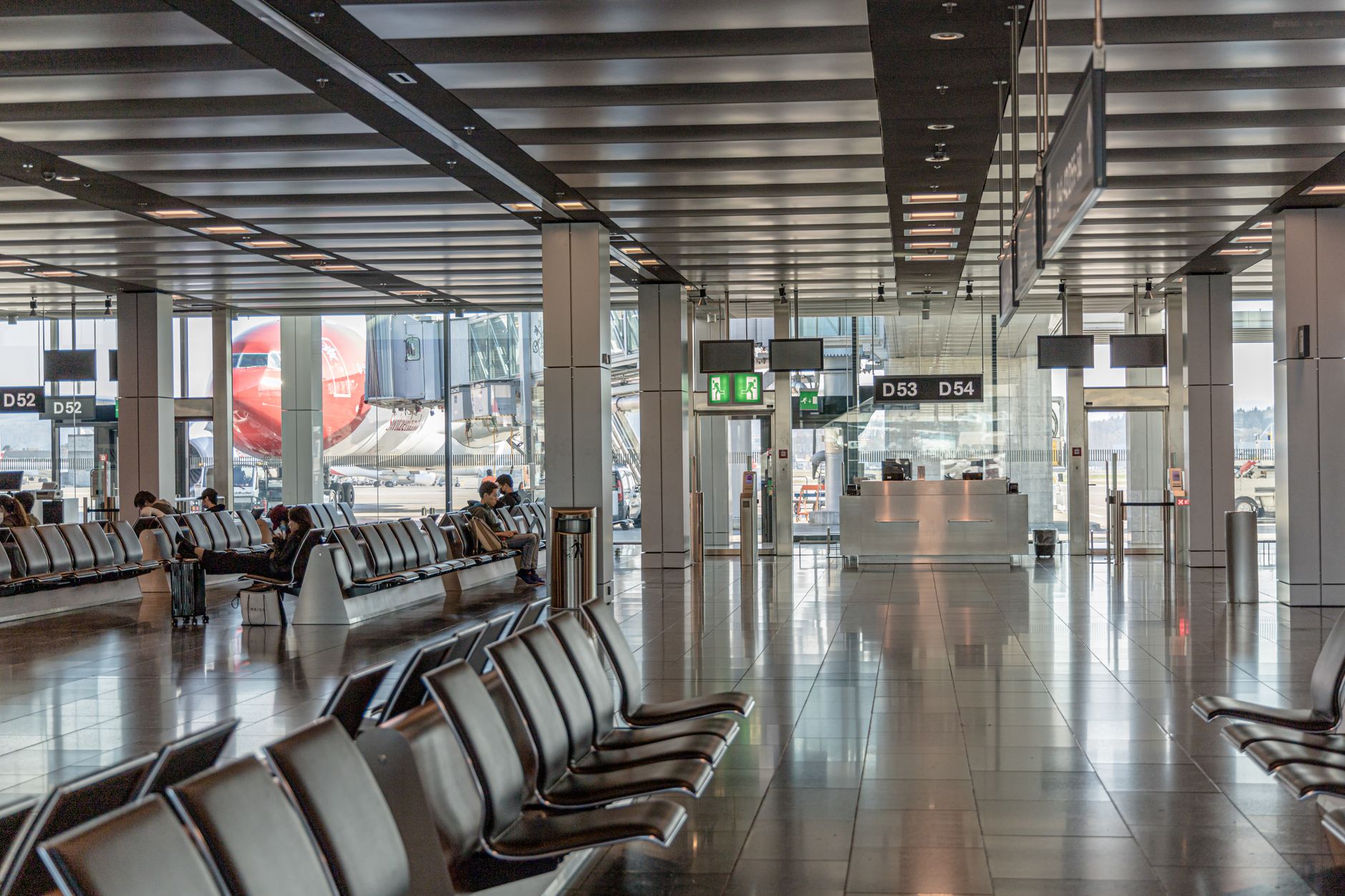
Arriving: Ngurah Rai International Airport in Denpasar connects to most major Asian hubs and has direct flights from Australia. From Europe and North America, you’ll typically connect through Singapore, Kuala Lumpur, or Doha. Book airport transfers in advance - the taxi situation outside arrivals is chaotic, and the official metered taxis are fine but slow to find.
Getting around the island: This is where most first-timers get frustrated. Bali has no reliable public transportation system. Your options are:
- Ride-hailing apps (Gojek or Grab): Cheap, efficient in areas with good connectivity, and by far the easiest option for getting around Seminyak, Canggu, and Ubud. A 20-minute ride typically costs roughly $2–4.
- Scooter rental: Roughly $5–8 per day. If you’re comfortable riding one, it opens the island up dramatically. International driving licenses are technically required, but enforcement is inconsistent. Traffic in southern Bali is genuinely dangerous - take this seriously.
- Private driver for day trips: Expect to pay roughly $50–70 for a full day. Ask your accommodation to recommend someone, or use apps like Traveloka. This is the most comfortable way to visit multiple temples or go north.
Where to Stay: Bali’s Key Areas
Seminyak and Canggu
The southern tourist corridor. Seminyak is polished beach clubs, upscale restaurants, and boutique shopping - it’s where you go if you want excellent food and don’t mind paying for it. A well-located villa with a private pool runs roughly $80–200 per night. Canggu, just north, has shifted from a surf village into Bali’s digital nomad capital: excellent coffee, yoga studios, and a younger crowd. Both areas are convenient for airport access.
Ubud
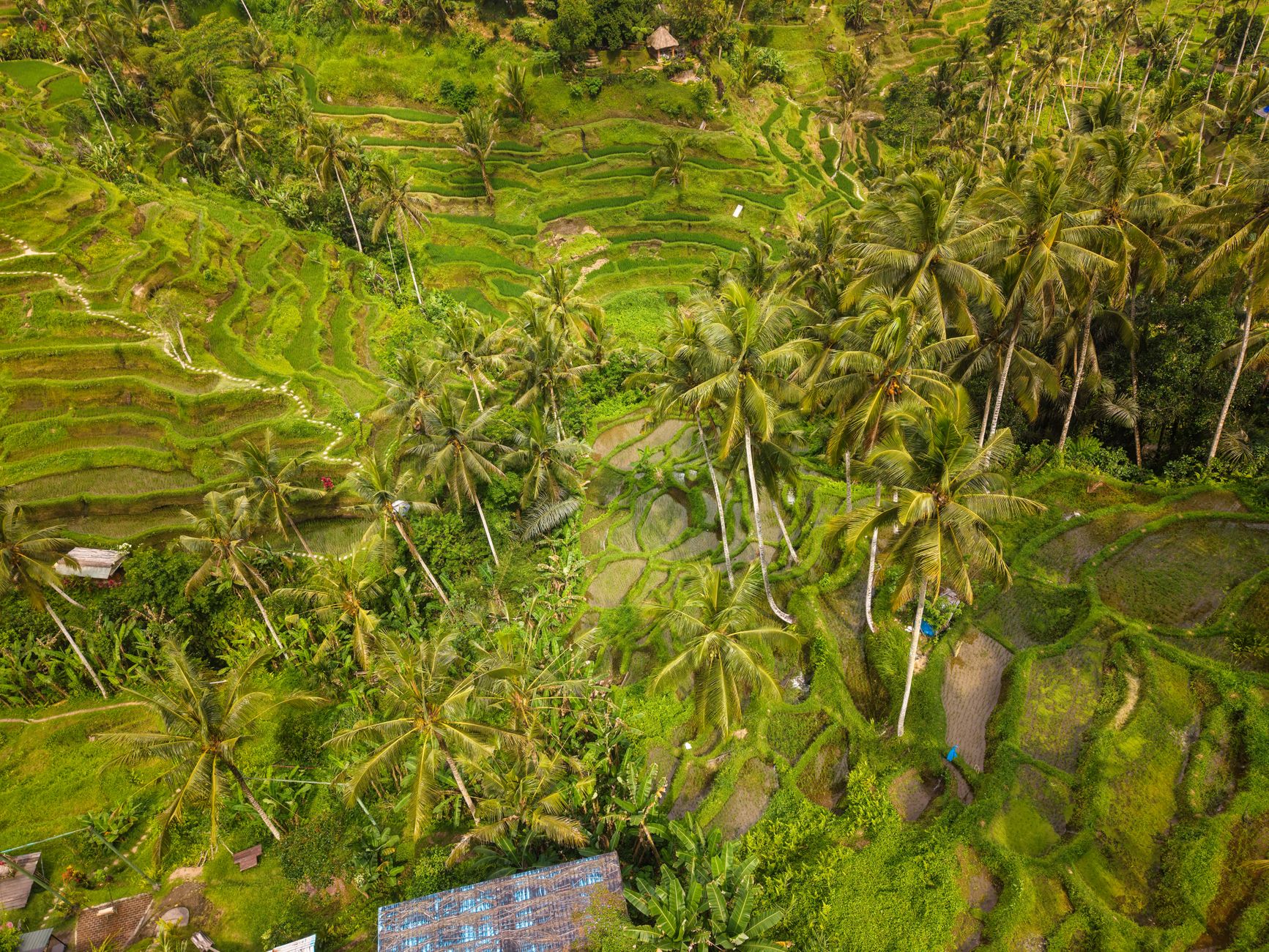
The cultural heart of Bali and the area most first-timers should prioritize. Ubud sits in the central highlands at roughly 300 meters elevation, which keeps temperatures noticeably cooler than the coast. It’s the base for the Tegallalang rice terraces, the Sacred Monkey Forest Sanctuary, the Tirta Empul temple complex, and some of the island’s best traditional dance performances. Mid-range guesthouse rooms start at roughly $30–60 per night; jungle villas with infinity pools can run $250 and up.
Amed and East Bali
For travelers who want to escape the southern crowds. Amed is a string of small fishing villages along the northeast coast with some of Bali’s best snorkeling and scuba diving, including the famous USAT Liberty shipwreck at Tulamben (roughly a 30-minute drive away). It’s a three-hour drive from the airport, which keeps most package tourists away. Accommodation is simpler here - budget bungalows for roughly $25–50 per night.
Uluwatu
The southern peninsula, called the Bukit, is where serious surfers and boutique resort seekers converge. Uluwatu has dramatic clifftop views, world-class breaks (Padang Padang, Uluwatu itself), and significantly less congestion than Seminyak. The famous Uluwatu Temple hosts Kecak fire dance performances at sunset that are genuinely worth attending - tickets run roughly $15.
Top Experiences Worth Your Time
Visit Tirta Empul Temple
Located near Tampaksiring, this 10th-century water temple built around a natural spring is one of Bali’s most spiritually significant sites. Balinese Hindus come here to purify themselves in the holy pools. You can participate respectfully - sarong and sash required (available to rent at the entrance for roughly $1). Come early, before 8am, to experience it before tour buses arrive. Entry is roughly $3.
Walk the Campuhan Ridge
A 9-kilometer walking trail that starts near the center of Ubud and winds through jungle and rice paddies along a narrow ridge. It’s free, beautiful, and best done at dawn. Bring water.
Take a Cooking Class
Bali has some of Southeast Asia’s most interesting cuisine, and a good cooking class teaches you to shop at a traditional market, identify ingredients you’ve never seen before, and make dishes you’ll actually want to cook at home. Paon Bali in Ubud is well-regarded. Expect to pay roughly $35–50 per person for a half-day session.
Catch Sunrise at Mount Batur
Batur is an active volcano in the Kintamani region with a 1,717-meter summit. The hike takes roughly two hours and most guides start at 4am to reach the top for sunrise. Conditions can be cold and misty - bring a layer. The guided hike costs roughly $35–60 including a basic breakfast at the summit. Don’t let touts pressure you into private guides at the trailhead; book through your accommodation the night before.
Spend a Morning in Tirtagangga
One of Bali’s lesser-visited royal water palaces in East Bali, built in 1948. The moated gardens with stepped fountains and lotus ponds are genuinely lovely, and at roughly $3 entry, it’s one of the island’s better-value experiences. Combine it with a visit to the Lempuyang Temple (the famous ‘Gates of Heaven’ Instagram spot, though expect long queues for photos).
Surf Lessons in Kuta or Canggu
Bali’s beach breaks make it one of the better places in the world to learn to surf. Beginner lessons in Kuta - the most sheltered beach - run roughly $25–40 for a two-hour session with a board and instructor. Canggu’s Echo Beach suits intermediates.
Practical Tips
Money: Bali runs on cash. ATMs are everywhere in tourist areas but often charge high fees. Withdraw larger amounts less frequently. The Indonesian Rupiah is the currency - you’ll be dealing in millions (roughly 15,000 IDR to $1 USD as of late 2024), which confuses people at first. Double-check your zeros.
Bargaining: Expected in markets and for informal services like tuk-tuks and souvenir stalls. Not expected in restaurants or established shops. Start at roughly 40–50% of the asking price and meet somewhere in the middle.
Health: Stay hydrated, use reef-safe sunscreen (Bali’s marine environments are under pressure), and don’t drink tap water. Mosquito repellent is essential if you’re spending time outside at dusk. Travel insurance with medical evacuation coverage is strongly recommended.
Dress respectfully: This matters more than most travel guides admit. Bali is a deeply religious island - there are active ceremonies happening somewhere almost every day. When visiting temples, cover your shoulders and knees. At many sites, a sarong is required and can be rented at the entrance. In general, dressing thoughtfully is just good manners.
Temple etiquette: Women who are menstruating are asked not to enter certain temples. This is printed on signs at major sites and should be respected.
The Honest Reality Check
Bali’s biggest challenge right now is traffic and overtourism in specific hotspots. The Tegallalang rice terraces are worth seeing but are genuinely crowded and require payment to walk onto most viewing platforms (roughly $2–5). Ubud’s Monkey Forest is chaotic, fun for about 45 minutes, and full of monkeys that will steal your sunglasses. The most-Instagrammed spots have queuing systems.
None of this means you shouldn’t go. It means you should arrive with realistic expectations and a willingness to go slightly off-script. The rice paddies of Jatiluwih in Tabanan Regency, a UNESCO-listed landscape, draw a fraction of Tegallalang’s crowds and are arguably more beautiful. The village of Sidemen in East Bali offers quieter rice terrace walks and genuine local life.
Bali rewards the curious traveler who asks their homestay owner for a recommendation, rents a scooter on a Tuesday morning, and gets slightly lost. That version of Bali - the one where you stumble on a cremation ceremony or a temple festival or a roadside warung serving the best nasi campur you’ve ever eaten - is very much still there.