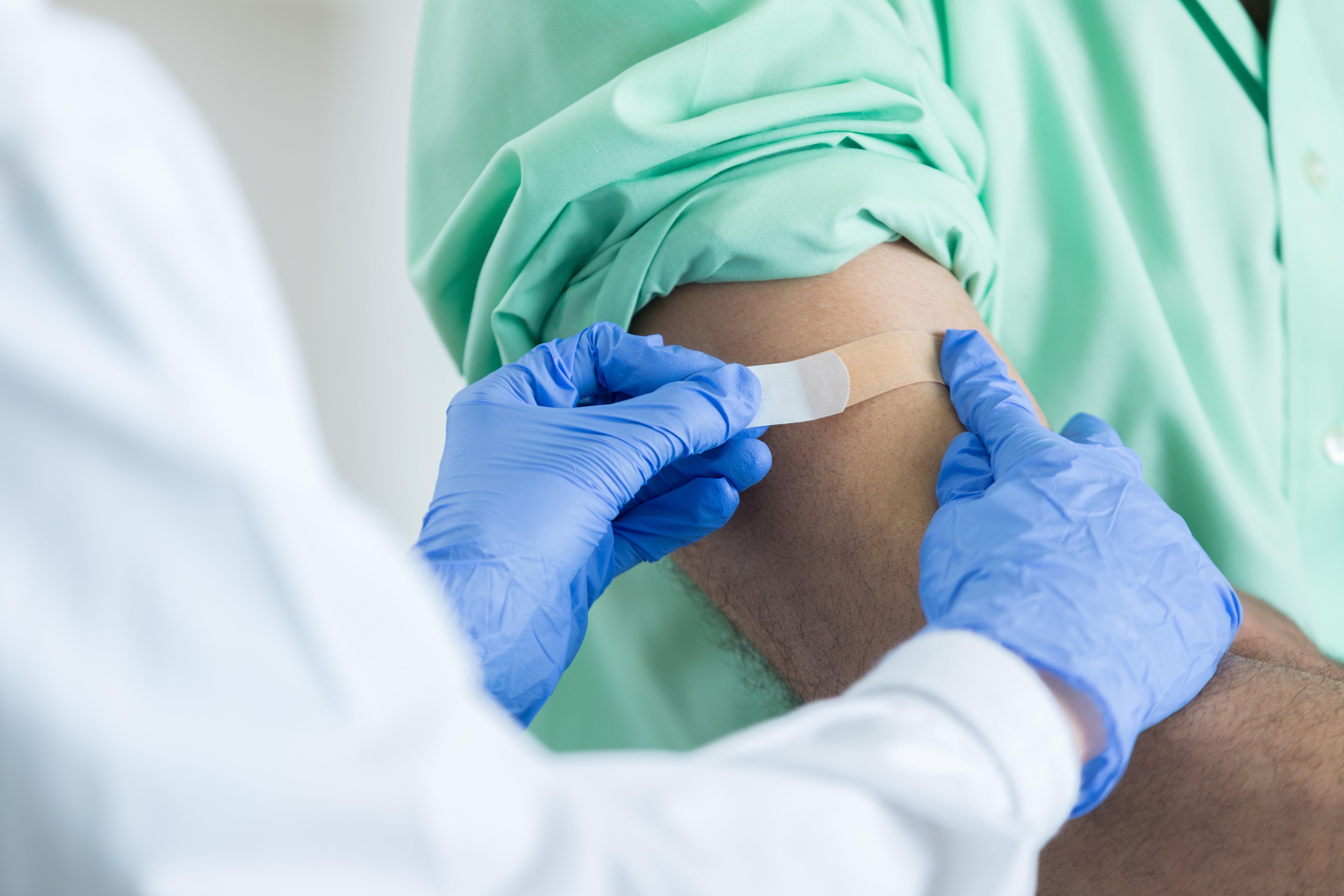
The Health Risk You Board the Plane With
Most travelers spend weeks researching flights, hotels, and restaurants. They’ll comparison-shop for hours over a $40 price difference on a carry-on bag. And then they’ll fly internationally without once checking whether their vaccinations are current.
The irony is that the highest-risk health moment of many international trips isn’t the destination - it’s the aircraft. Covid and flu are diseases you’re more likely to contract mid-flight than on the ground at your destination, and while vaccines against either won’t cover every circulating strain, they meaningfully reduce the odds of spending day three of your trip in a hotel bathroom. That’s before you’ve even landed somewhere with genuinely elevated disease risk.
What the CDC Site Actually Tells You
The CDC’s dedicated Travelers’ Health site should be the first place you go when planning any international trip. From the homepage, you can select a destination country and pull up a full breakdown: recommended vaccines, suggested medications, health and safety notes, and medical packing lists tailored to different traveler profiles. The World Health Organization website carries parallel international travel and health resources and is worth cross-referencing.
Neither site is a substitute for a real consultation, but they’re a necessary starting point.
Why Only 10% of Travelers Get a Pre-Trip Consultation
Corey McVey, director of nursing at Passport Health in Chicago and Wisconsin, puts the figure bluntly: only 10% of travelers who should seek a travel health consultation actually do. That gap exists largely because of a handful of durable misconceptions - each of them reasonable-sounding enough that travelers repeat them without much scrutiny.
The most common one, according to McVey, is simple overconfidence. “People think they’ll be fine. They won’t come across illness or diseases. But you should get a consultation for the same reason you wear a seat belt. You don’t know about others. You don’t know about the people cooking your food.” It’s not a dramatic argument. It’s a logistics argument - the same reasoning that makes travel insurance worth carrying even when you fully expect to use none of it.
The second misconception is that a visit to your regular doctor covers the ground adequately. A primary care physician is a good first stop, and many will refer you onward to a travel clinic - particularly if the vaccines you need aren’t ones they stock. But primary care doctors aren’t tracking active disease outbreaks the way travel clinics do. McVey is direct about this: “They may not be aware of an outbreak. Travel clinics are most in tune with international travelers’ needs.” Your internist is excellent at managing your ongoing health. They are not, by default, monitoring a yellow fever flare-up in a region you’re visiting in six weeks.
A third barrier is the belief that reading the CDC site counts as a consultation. It doesn’t - and the reason matters. Online resources give you population-level guidance. A travel clinic gives you guidance shaped by your health history, your itinerary, and what you’re actually going to do when you get there. As McVey puts it: “The needs of a backpacker traveling through Thailand are different than a business traveler who will only be in Bangkok a few days.” One traveler might need rabies pre-exposure vaccines and antimalarial medication. The other might need nothing beyond checking their MMR status.
The fourth misconception runs in the opposite direction: some travelers avoid consultations because they’re worried the vaccines will make them sick. McVey sees this regularly. The fear that a vaccine delivers a disease rather than protection against it is persistent and largely unfounded - very few people experience significant side effects, and the comparison to the actual illness is not close.
Diseases That Don’t Care About Your Itinerary
Some risks are destination-specific. Yellow fever is a real concern in parts of sub-Saharan Africa and South America, and several countries require proof of vaccination for entry. Rabies risk climbs sharply if you’re traveling to regions where the disease is endemic and you’ll be spending time outdoors, working with animals, or in rural areas far from immediate medical care.
The CDC is currently explicit on one broader risk: measles cases are rising in many countries, and all international travelers should be fully vaccinated with the measles-mumps-rubella (MMR) vaccine. This isn’t a regional advisory. It applies everywhere.
Other threats have made recent headlines - Ebola outbreaks in Africa, a hantavirus case on a cruise ship - but the more statistically likely problem for most travelers is something less dramatic: a vaccine they got as a child that’s no longer providing adequate coverage. Tetanus and polio vaccines given in childhood may require booster shots before international travel, depending on your destination and how long it’s been since your last dose. Many common vaccines protect for a decade or more, but “a decade or more” does eventually expire, and most people don’t track this closely.
Before You Book the Flights, Do This First
The logical sequence here is simple. Start with the CDC Travelers’ Health site when you know your destination. Check the WHO site as a secondary source. Then see your primary care physician, who can review your vaccination history and flag anything obviously missing. If your itinerary involves elevated risk - extended time in rural areas, activities that increase animal contact, travel to regions with known outbreaks - go to a travel clinic.
Travel clinics stock vaccines that most primary care offices don’t carry, and the staff there work specifically with international travelers. The consultation isn’t a formality; it’s where itinerary-specific risk gets weighed against your personal health history. Someone with an immunocompromising condition faces different choices than someone in good baseline health. Someone spending two weeks hiking in remote Southeast Asia has different exposure risks than someone attending a three-day conference in a capital city hotel.
Passport Health operates clinics in the United States and is one option for finding a dedicated travel health clinic. The CDC Travelers’ Health site also includes a clinic locator. Costs vary - a single vaccine visit can run from roughly $50 to several hundred dollars depending on which vaccines are needed and whether they’re covered by your insurance plan. Typhoid vaccines, to pick one example, run approximately $90–$150 out of pocket at many clinics. That’s a knowable, plannable expense.
The practical window for this is larger than most people assume. Some vaccines require multiple doses spread over weeks to reach full protection - hepatitis A and B vaccines, for instance, often follow a series schedule. If you’re leaving in two weeks, that window may already be partly closed for certain vaccines. If you’re leaving in two months, almost nothing is off the table.
What’s the actual cost of skipping all of this? Sometimes nothing. And sometimes it’s a serious illness contracted somewhere with limited medical infrastructure, treated far from home, in a language you don’t speak - for a disease a $90 shot would have prevented.