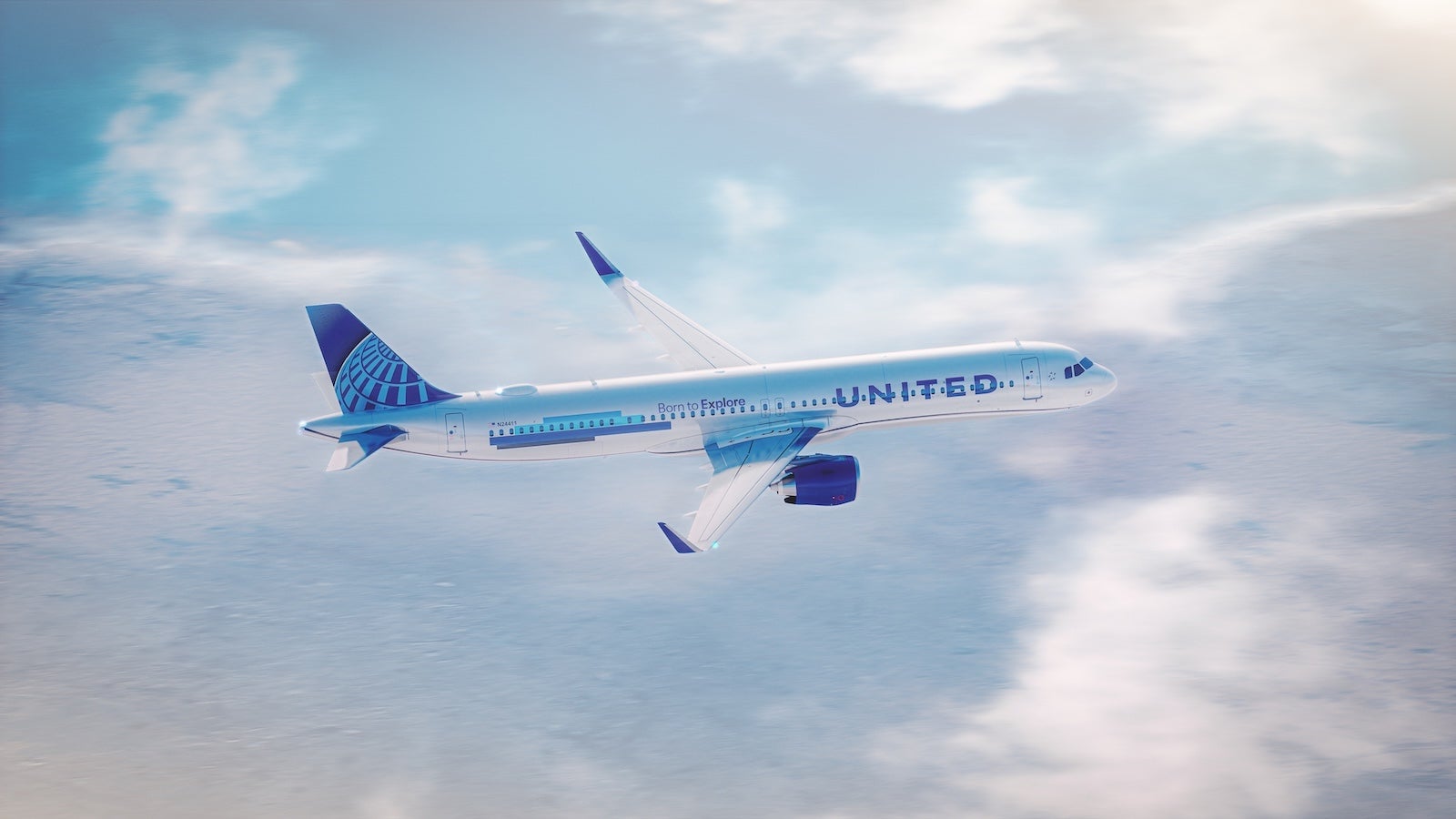
When the Seat Next to You Is the Point
The hotel industry has long understood that space is the product. A room with 280 square feet sells differently than one with 180, even when the bed, the pillow, and the blackout curtains are identical. Airlines are arriving at the same conclusion, slowly and with considerable reluctance, but arriving there nonetheless. United Airlines’ current experiment with its brand-new Airbus A321XLR - blocking middle seats in select economy rows on transatlantic flights - is less a seating innovation than a sleep strategy, and it matters more than the press release suggests.
For anyone who has tried to sleep across the Atlantic in a standard economy seat, wedged between a stranger’s shoulder and a reclined headrest, the appeal is immediate. You don’t need a lie-flat suite to rest. You need the armrest to yourself and the reasonable certainty that no elbow is going to find yours at 3 a.m. over Iceland.
United has confirmed it is actively exploring the configuration for its new XLR jets.
What United Is Actually Proposing
The A321XLR is a narrow-body aircraft - single-aisle, no center console - that United is positioning for long-haul routes to Europe. The plane already carries lie-flat Polaris business class suites and a dedicated premium economy cabin. What United is considering adding is a third tier: rows where the middle seat is permanently blocked, creating a window-and-aisle pairing without an occupant in between.
This is the arrangement European carriers have used for years on short- to medium-haul intra-European routes, typically on planes that lack a genuine first-class or business-class cabin with distinct recliner seats. The so-called “Eurobusiness” setup - standard economy seats, empty middle, hot meal service - has been the continent’s workaround for the gap between coach and a lie-flat bed. British Airways operates this configuration. Dozens of smaller European carriers do as well.
United’s version would function differently because the context is different. On a Chicago-to-London or Newark-to-Rome routing, where you’re facing seven or eight hours in the air, an empty middle seat doesn’t just mean a slightly wider armrest. It means you can angle your body, use the tray table on the blocked seat, put a jacket there, or simply exhale. On a forty-five-minute flight from Paris to Amsterdam, that same benefit is a minor comfort. On a red-eye to Europe, it’s the difference between arriving able to function and arriving destroyed.
United has not announced a launch date or specific routes for the A321XLR yet, despite having taken delivery of its first aircraft. When routes do launch, they will originate from United’s existing transatlantic hubs.
The Staffing Detail Nobody Wants to Discuss
There is a secondary reason the blocked seat configuration is under consideration, and it involves federal staffing rules rather than passenger comfort. The FAA requires four flight attendants on aircraft with up to 150 seats. Exceed that threshold, and a fifth flight attendant is required. With the middle seats blocked in select rows, United’s XLR configuration lands at exactly 150 seats. The airline has confirmed it plans to staff at least four flight attendants on the aircraft.
This is not unusual airline math. Carriers routinely configure aircraft with an eye on regulatory thresholds, not just revenue optimization. The fact that the 150-seat number also happens to produce a better passenger experience in certain rows doesn’t make the reasoning cynical - it makes it practical. The two motivations coexist without canceling each other out.
What matters for the traveler is the outcome. Whether United blocks those middle seats to improve your sleep or to manage its crew budget, the seat next to you remains empty either way.
How This Fits Into the Hotel Analogy
The framing of in-flight comfort as an extension of the overall trip - rather than a separate ordeal to survive before the trip begins - is gaining ground among frequent travelers, and for good reason. A transatlantic flight that arrives at 6 a.m. local time is effectively your first night’s accommodation, whether you book it that way or not.
Hotels in European cities are acutely aware of this. Early check-in fees, often ranging from €30 to €80 depending on the property, exist precisely because travelers arriving off overnight flights need a room immediately and cannot wait until 3 p.m. A traveler who slept reasonably well in a blocked-middle-seat economy row has more options than one who didn’t. They can store their bag and walk the city for a few hours. They can take a quick shower at a hotel gym for a fee. They do not need to spend the first day of a trip horizontal in a €200-a-night room they booked a day early just to guarantee access.
The economics of that calculus will depend on what United charges for these rows. The airline has not released pricing, but the precedent from Frontier Airlines - which deployed a similar blocked-middle-seat concept in 2024 as a paid upgrade - suggests it will not be free. Frontier’s version functioned as a purchasable add-on, and United’s, if it launches, will almost certainly follow a similar model.
The Coastliner Is a Different Story
Worth noting: United has separately stated it is not considering this configuration for the A321 “Coastliner” - the premium-heavy aircraft variant set to fly the airline’s top transcontinental routes out of Newark Liberty International Airport (EWR). The Coastliner is a different product aimed at a different traveler on a different kind of route. The transatlantic XLR and the domestic Coastliner are not interchangeable, and the blocked-seat concept applies only to the XLR.
The XLR itself also comes with another economy feature not often seen on long-haul narrow-bodies: a walk-up onboard snack bar. This is a genuine addition for overnight flights where the gap between meal services can stretch to four hours.
What a Blocked Seat Is Worth, Practically
For the traveler doing the math before booking, here’s the relevant comparison. United’s Polaris business class on the XLR includes lie-flat suites - the full private experience. Premium economy sits below that, offering recline and more legroom but a standard seat configuration. Below that, if the blocked-middle proposal moves forward, would sit this unnamed tier: economy seats, no recline upgrade, no extra legroom, but guaranteed empty middle.
On a seven-hour flight, a lie-flat Polaris suite is categorically better. It is also categorically more expensive, often by $2,000 or more per segment depending on the route and timing. Premium economy typically runs several hundred dollars above standard economy. If the blocked-seat product prices somewhere between standard economy and premium economy - a reasonable assumption - it slots in as a meaningful option for the traveler who won’t pay for premium economy but would pay something to not share an armrest.
That is a larger market than airlines have historically credited.
The A321XLR’s routes haven’t been announced, but when United does publish them, the blocked-seat rows - if they exist by then - will likely be the first thing to sell out.