The Gap Most Points Travelers Never Think to Close
Most people chasing hotel loyalty points picture the same thing: a mid-range property off a freeway exit, reliable but forgettable, somewhere between a convention center and a parking garage with beds. What they rarely picture is a 30-room hotel in Lisbon where the owner used to run an architecture studio, or a property in Tokyo where the lobby doubles as a gallery and the bar draws in the neighborhood after dark. The assumption that boutique hotels and loyalty programs don’t overlap is widely held - and mostly wrong.
Design Hotels is the reason it’s wrong. Founded in the early 1990s, the collection was built around a single idea: gather independently owned, design-forward hotels that share a genuine commitment to originality and local culture, and give them a platform. Today, more than 300 properties carry the membership. Many of them participate in Marriott Bonvoy, which means you can earn and spend points at hotels that bear almost no resemblance to what most people associate with Marriott.
Marriott acquired a majority stake in Design Hotels after purchasing Starwood Hotels & Resorts in 2016. By 2021, it had taken full ownership. Design Hotels continues to operate as a separate entity, though, and member hotels retain their individual identities - no brand-standard interiors, no prescribed lobby layouts, no company-mandated color schemes.
What “Design Hotel” Actually Means - and Why It Matters for Booking
The company’s own framing describes its properties as “design-driven hotels that function as social hubs and spaces for purposeful experiences.” Strip the marketing language and what remains is a useful filter: these are hotels where the physical space and the ownership philosophy are inseparable.
Getting in is genuinely difficult. Only about 5% of hotels that apply to join Design Hotels are accepted. Properties are evaluated across multiple dimensions - design, sustainability, cultural programming, and how connected the hotel is to its immediate neighborhood. The managing director at Design Hotels, Stijn Oyen, has described what they’re looking for as “a strong, strong sense of place,” with public spaces that draw in locals rather than catering exclusively to guests. That detail matters practically: a hotel where residents of the surrounding neighborhood actually want to spend time tends to give travelers a more grounded, less hermetically sealed experience of a city.
About 60% of Design Hotels owners are first-time hoteliers. That proportion is worth pausing on. It means that a large share of these properties are run by people who came from architecture, art, food, or some other discipline entirely - and who approached hospitality without the operational orthodoxy that shapes traditional hotel management. Design Hotels refers to these owners as “Originals,” describing them as “the engines behind pioneering design and revolutionary hospitality.” The absence of rigid brand standards is precisely what allows that to mean something.
How to Actually Use Marriott Bonvoy at These Properties
Here’s the practical side. Not every Design Hotels property participates in Marriott Bonvoy - the collection includes hotels that have chosen to remain outside the loyalty system entirely. When you’re searching, the most reliable approach is to look directly on the Marriott Bonvoy platform and filter by Design Hotels as a brand, rather than assuming that finding a property on the Design Hotels website means it’s automatically bookable with points.
For properties that do participate, the standard Bonvoy mechanics apply. You earn points on paid stays and can redeem points for award nights. Elite status benefits - late checkout, room upgrades where available, welcome amenities - carry over in the same way they would at any other Marriott-affiliated property, though the actual experience of those benefits will vary considerably depending on the property’s size and structure. A 28-room hotel run by its owner operates differently from a 400-room full-service property, and that’s the point.
Redemption rates vary by property and season, as they do across the broader Marriott portfolio. It’s worth running a quick comparison between the cash rate and the points rate before booking, since the value of a Bonvoy point fluctuates - generally estimated at around 0.7 to 0.9 cents per point, though award pricing at smaller properties can sometimes produce better-than-average returns. The key strategic move is treating Design Hotels properties as a separate search category rather than stumbling across them accidentally while browsing Marriott’s main results.
What to Expect From the Stays Themselves
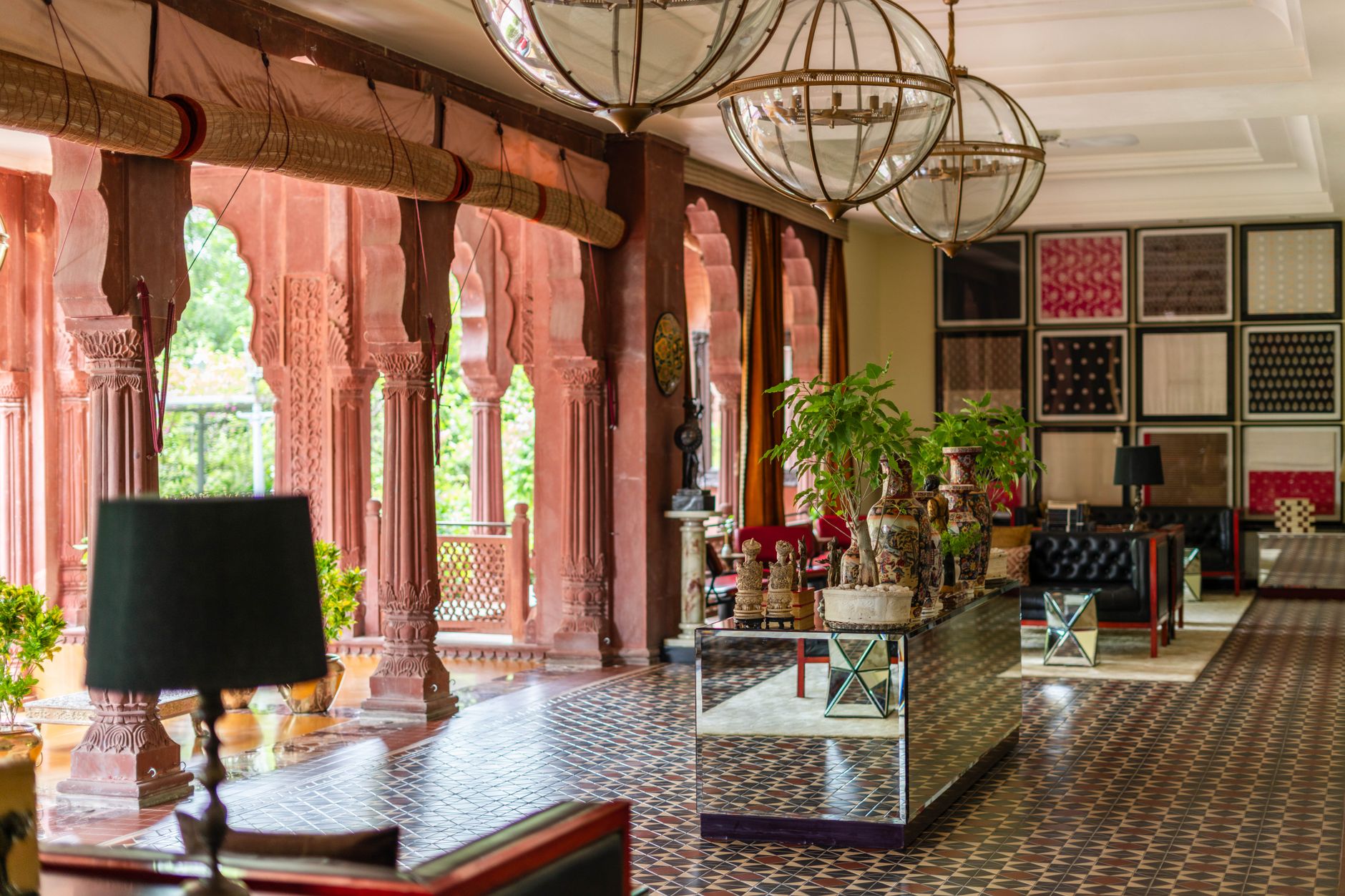
The range across 300+ properties is wide enough that generalizations don’t hold up well. Room counts tend to be small. Lobbies tend to serve a function beyond check-in - many double as bars, event spaces, or exhibition areas. The design sensibility varies from brutalist-influenced concrete to maximalist color to spare Scandinavian restraint, but the common thread is that the aesthetic is deliberate rather than default.
What you won’t find is the predictability of a traditional chain stay. There’s no guarantee of a 24-hour front desk, a fitness center with a specific equipment count, or any of the other standardized amenities that loyalty travelers sometimes rely on for consistency. That’s a tradeoff, not a deficiency. If the consistency of a known brand is what a trip requires, Design Hotels isn’t the right tool. If the hotel itself is meant to be part of the experience of a place - if where you sleep is supposed to tell you something about where you are - then the collection is worth building a search habit around.
Oyen’s description of what gets a property accepted is useful here as a traveler: “the originality in its concept.” Hotels are chosen because they have a vision, not because they hit a checklist. For points travelers who’ve spent years accumulating Bonvoy currency at conventional properties, that’s the actual unlock - the ability to redeem into something that wasn’t designed by committee.
Building Design Hotels Into Your Points Strategy
The collection updates regularly, with new properties joining throughout the year. Checking the Design Hotels section of the Marriott Bonvoy site before booking any city - rather than after you’ve already committed to a property - is a habit worth developing. In cities with a strong design or independent hotel culture, there’s a reasonable chance a Design Hotels property is available at a comparable or lower points cost to a larger, more conventional option.
For travelers on longer trips who are mixing paid and points nights, Design Hotels properties can function well as deliberate splurges within an otherwise budget-managed itinerary. The properties tend to be concentrated in European cities, though the collection spans destinations globally. The 5% acceptance rate means the collection stays selective enough that membership itself carries some weight as a quality signal - imperfect, but more reliable than a star rating applied across wildly different markets.
Marriott Bonvoy has roughly 30 brands under its umbrella. Design Hotels is the only one where the owner of the property you’re staying in might have previously been a sculptor.