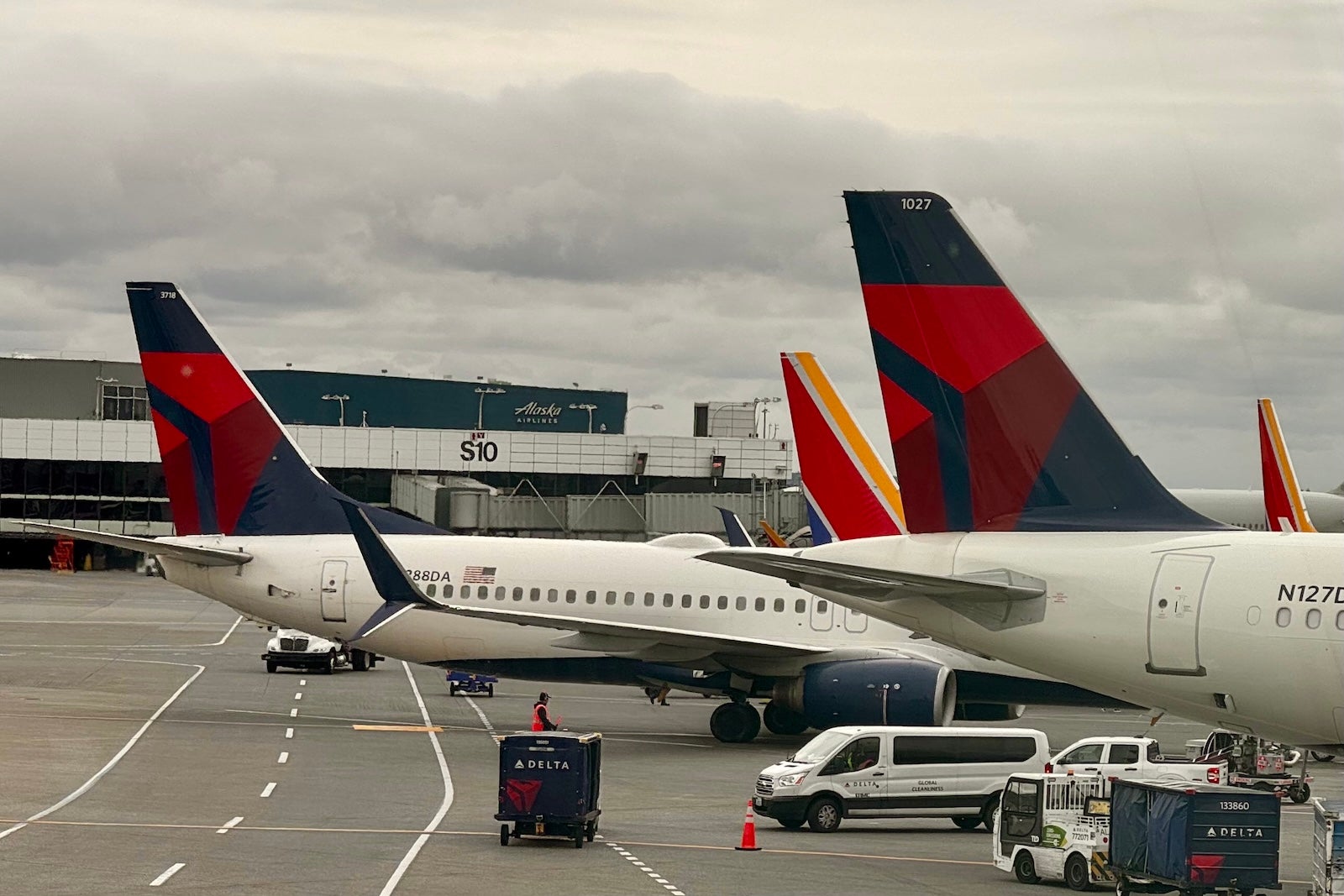
What’s Changing at Austin Bergstrom This Fall
If you’re booking flights into Austin Bergstrom International Airport (AUS) for late 2025 or beyond, the airline landscape looks different than it did six months ago - and knowing the specifics will save you money and frustration. Delta Air Lines is dropping two routes from AUS in November: service to Memphis International Airport (MEM) ends November 1, and flights to Louis Armstrong New Orleans International Airport (MSY) wrap up November 16. Both routes ran once daily and had only launched earlier in 2025, making their discontinuation unusually swift.
For travelers who built itineraries around those connections - Memphis for a Mississippi River trip, New Orleans for a long weekend - this is a practical problem. But the broader picture at AUS is expansion, not contraction, and understanding who flies where from Austin is now more relevant than ever if you’re trying to fly smart out of one of the country’s fastest-growing airports.
Travel Tips: How to Rebook and What to Watch
If You Had a Delta Ticket on Either Route
Anyone holding a Delta ticket on AUS-MEM after November 1, or AUS-MSY after November 16, should contact Delta directly to request a full refund or rebook onto an alternative itinerary. When an airline cancels a route entirely, passengers are generally entitled to a refund regardless of ticket type - that applies to non-refundable fares. Don’t accept a voucher automatically; ask specifically about your refund options before agreeing to anything.
For Memphis specifically, Southwest Airlines is picking up the slack. Southwest begins six weekly AUS-MEM flights on October 1, according to Cirium schedule data. If your dates are flexible and you can shift slightly, booking onto Southwest’s new service is the most direct replacement. Southwest already operates MEM-MSY service, so travelers connecting onward to New Orleans from Memphis also have an option there.
The New Orleans gap is trickier. No carrier has announced a direct replacement for Delta’s AUS-MSY route as of now. If New Orleans is your destination, expect a connecting itinerary through a hub - likely Dallas, Houston, or Atlanta - which will add time and, depending on the carrier, cost. Build in at least a 90-minute connection buffer through Dallas or Houston airports, where delays compound quickly during afternoon thunderstorm season.
Delta’s Bigger Play in Austin
Why the Airline Is Still Expanding Here
Dropping two routes doesn’t signal retreat. Delta is adding daily service to San Jose’s Mineta International Airport (SJC) starting October 6, and across all changes - the two cuts plus the SJC addition - Delta will fly 14% more seats out of AUS in 2025 than it did the year prior, per Cirium data. That’s a meaningful increase for a market where the airline currently holds roughly 19% of departing passengers.
The strategic reasoning is loyalty, specifically the SkyMiles ecosystem. Delta lacks a hub anywhere in Texas. American Airlines runs its largest hub in metro Dallas, and both Southwest and United maintain major operations in Houston. Austin is Delta’s foothold in a state it otherwise can’t anchor. In October 2025, Glen Hauenstein, then Delta’s president, put it plainly: “If we’re not relevant, we cannot acquire the SkyMiles [members], we cannot acquire the credit cards - the ecosystem - you have to have relevance.”
Delta has also committed to the airport’s long-term infrastructure. The airline signed a deal to lease 15 gates at AUS - up from four today - when the new midfield Concourse B opens in the 2030s. That kind of capital commitment doesn’t accompany a pullback strategy.
Southwest Isn’t Conceding Austin Either
Southwest carried nearly 42% of all departing passengers from AUS in April, according to the airport’s own data. Delta held 19%. That gap explains why Southwest’s response to Delta’s Austin expansion has been aggressive and ongoing.
Southwest opened a crew base in Austin in March, staffed with more than 2,000 flight attendants and pilots - a structural investment that signals long-term commitment to the market, not seasonal adjustment. As part of the same terminal expansion that will give Delta 15 gates, Southwest will add eight gates of its own, bringing its total to 18. In October, Southwest is also introducing new Saturday-only flights from AUS to Charles M. Schulz-Sonoma County Airport (STS) in Santa Rosa, California, and McGhee Tyson Airport (TYS) in Knoxville, Tennessee.
For travelers, this competition is useful. When two carriers are actively fighting for market share on the same routes, fares tend to stay lower and flight frequency stays higher. Austin is now a market where both Delta and Southwest are spending real capital, which means more seat options and more pricing pressure - particularly on the routes they overlap.
Practical Booking Strategy for AUS in 2025–2026
Choosing Between Delta and Southwest Out of Austin
The choice between the two carriers at AUS comes down to what you value. If SkyMiles status, lounge access, or Delta’s transatlantic connections matter - Austin now links to San Jose, which opens West Coast routing - Delta is worth the premium. If price and flexibility are the priority, Southwest’s no-change-fee model and growing Austin footprint make it a strong default.
Watch the AUS-MEM route closely through October. Southwest’s new service there starts October 1, giving you a brief window to compare pricing before Delta’s flights end November 1. Booking early on Southwest for that corridor likely gets you lower fares before demand catches up to the new schedule.
For New Orleans, the direct option is gone for now. If that route matters to you - say, for Jazz Fest in late April or French Quarter Festival in early April - monitor airline schedule releases in January and February, when carriers typically load summer schedules. A new carrier could pick up AUS-MSY, or Delta could reinstate it if load factors shift.
One detail worth noting: both of Delta’s discontinued Austin routes previously operated only once daily. Single-frequency routes are inherently more vulnerable to cuts - a single aircraft mechanical issue or crew delay can wreck the only departure of the day, and airlines track those completion rates closely. When booking thin routes on any carrier, the once-daily frequency is a flag worth factoring into your plans, especially for time-sensitive trips.
Concourse B at AUS won’t open until the 2030s, but the gate expansion it enables - 15 for Delta, 18 for Southwest - will almost certainly bring new routes to Austin that don’t exist today. If you’re a frequent AUS traveler, it’s worth tracking both carriers’ route announcements over the next 18 months. The groundwork being laid now tends to surface in public schedule releases 6–12 months before a new route launches.
Southwest’s new AUS-STS Saturday flights start in October - a $99–$149 fare range on that corridor historically, though pricing will shift closer to departure.